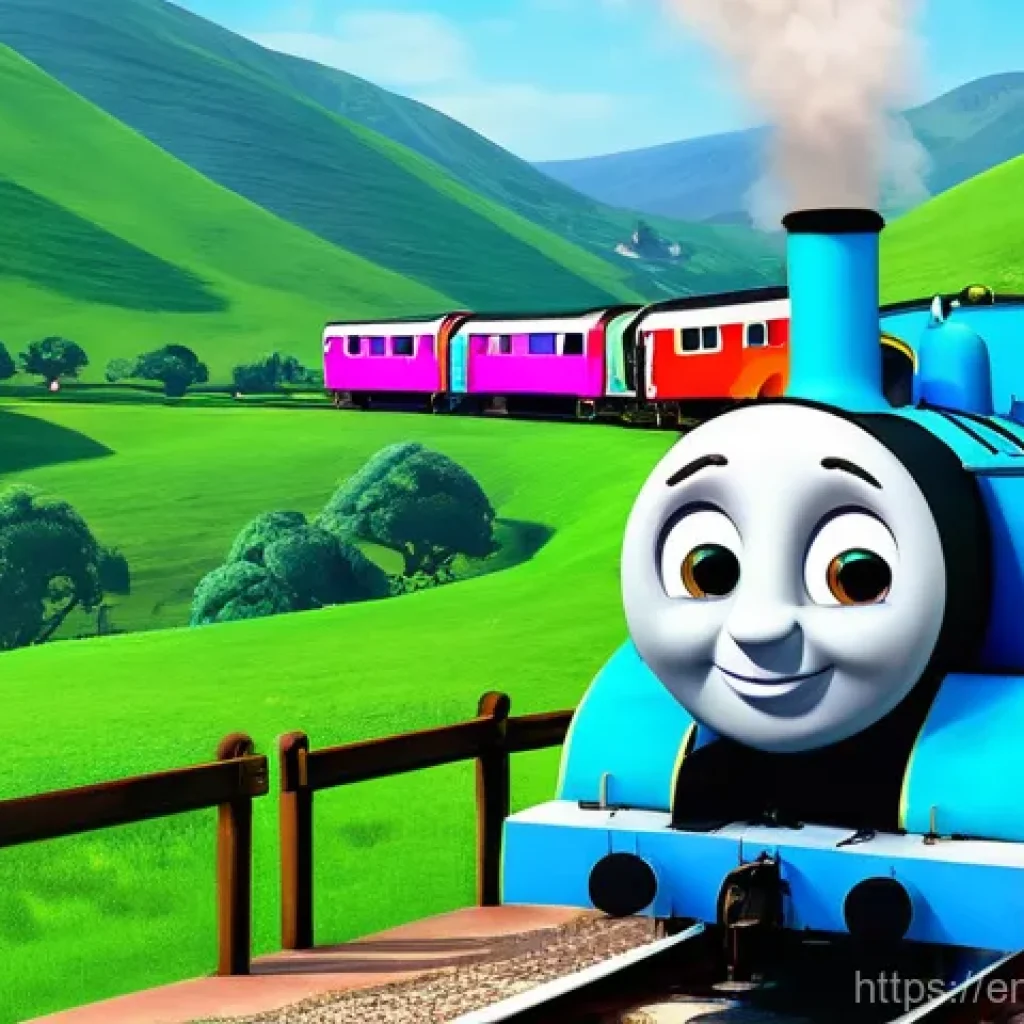
Have you ever found yourself completely engrossed in a children’s show, maybe even more than your little ones? I know I have! There’s just something incredibly captivating about the vibrant world of Titipo, The Little Train, a series that’s quietly chugging its way into the hearts of families worldwide with its wholesome storytelling and adorable characters.
It’s not just about trains zooming around; it’s the heartwarming and sometimes hilariously complicated relationships between Titipo, Diesel, Genie, and all their friends at the train depot that truly make the series shine.
In an age where screen time is often scrutinized, shows like Titipo offer a fantastic opportunity for social-emotional learning, teaching kids about friendship, cooperation, and resolving conflicts through relatable character dynamics – a growing trend in educational entertainment for young viewers.
Understanding who’s connected to whom adds a whole new layer of fun to every episode, transforming passive viewing into an active exploration of social bonds.
Trust me, once you start noticing the intricate dynamics, you’ll appreciate the show even more, and it might even spark some lovely conversations with your kids about real-world relationships and empathy!
Let’s dive into the fascinating world of Titipo’s character connections and uncover all the wonderful dynamics that make this show a truly special experience for the whole family.
The Spirited Main Trio: Titipo, Genie, and Diesel’s Unbreakable Bond
Titipo’s Enthusiastic Spirit and His Friends
When I first started watching Titipo with my youngest, I was immediately drawn to Titipo’s boundless energy and his eagerness to learn. He’s such a relatable character for kids, always ready for an adventure but sometimes a little naive, which often leads to hilarious mishaps.
What really stands out, though, is how his friends, Genie and Diesel, constantly rally around him. Whether he’s feeling down after making a mistake or bubbling with excitement about a new task, they’re right there.
I’ve seen countless episodes where Titipo’s optimism gets him into a bind, only for Genie’s calm advice or Diesel’s clever, albeit sometimes cheeky, intervention to save the day.
It’s this consistent support system that truly grounds the show and, honestly, as a parent, it’s comforting to see such positive portrayals of friendship.
My kids often point out how Titipo relies on his pals, and we’ve even talked about how important it is to have friends who stick by you, just like these three do through thick and thin.
Their dynamic feels incredibly genuine, a true reflection of childhood friendships where challenges are overcome not alone, but together, strengthening their bonds with every shared experience.
It’s this kind of authentic portrayal that keeps us coming back for more, seeing our own family’s values reflected in their adventures.
Genie’s Grace and Diesel’s Dynamic Energy
Genie is truly the quiet pillar of the trio. Her composed demeanor and insightful observations often provide the much-needed balance to Titipo’s sometimes impulsive nature and Diesel’s boisterous antics.
I’ve always admired how she approaches situations with such thoughtfulness, often being the voice of reason when things get a bit chaotic. Then there’s Diesel, who, let’s be honest, is a complete hoot!
His playful mischief and quick wit add so much humor to the show. He’s the one who often pushes boundaries, but never with malice, and his heart is always in the right place.
The interplay between Genie’s calm wisdom and Diesel’s vibrant, sometimes cheeky, energy is a masterclass in contrasting personalities that somehow just *work* together.
My own children have distinct personalities, and watching Genie and Diesel navigate their differences, yet remain the closest of friends, has often sparked conversations about how we can appreciate and value what makes each of us unique.
It’s not about being the same; it’s about complementing each other, and that’s a powerful lesson delivered so subtly through their interactions. They aren’t just characters on a screen; they embody the kind of diverse friendships we hope our kids will build.
Mentors and Guides: The Wisdom Behind the Whistle
Kiki and Engine 10: The Guiding Lights
Every young train at the depot needs someone to look up to, and for Titipo and his friends, Kiki and Engine 10 fill those shoes perfectly. Kiki, with her gentle and patient nature, acts as a wonderful teacher, always there to offer encouragement and sound advice.
I’ve often found myself wishing I had a mentor like Kiki when I was starting out in my career; she just has that knack for explaining things in a way that makes sense, and she truly believes in the potential of every young train.
Engine 10, on the other hand, embodies a more seasoned and authoritative presence, but always with a deep underlying care. He’s the one who sets the rules, ensures everyone is on track (pun intended!), and provides the structure that allows the younger trains to grow safely.
I particularly love episodes where Engine 10 shares stories of his past experiences, subtly imparting wisdom about navigating challenges and taking responsibility.
It’s a beautiful portrayal of intergenerational mentorship, showing how both direct teaching and leading by example contribute to a thriving community.
It reinforces the idea that learning isn’t just about what you’re told, but also about observing and respecting those who have come before you, an invaluable lesson for anyone at any age.
Mayor and Mr. Herb: The Human Connectors
Beyond the impressive locomotives, the human characters like the Mayor and Mr. Herb play such a crucial role in the Titipo universe. They’re not just background figures; they’re integral to the daily operations and emotional support system of the depot.
The Mayor, for instance, often represents the broader community, demonstrating leadership and fairness in how he manages the town and the train operations.
It’s fascinating to see how he interacts with the trains, treating them with respect and understanding, almost as if they were his own children. Then there’s Mr.
Herb, who works diligently at the train station. He’s often the go-to person for practical advice or assistance, bridging the gap between the mechanical world of the trains and the human world of the town.
His calm demeanor and readiness to help are consistent, making him a reliable figure. What I truly appreciate about these characters is how they showcase the importance of human-machine interaction in a gentle, positive light.
They teach children that there are different kinds of relationships – not just between peers, but also with adults who guide and support them. It provides a more rounded view of a functional community, where everyone, regardless of their role or form, contributes to the greater good.
Beyond the Tracks: The Broader Train Family Dynamics
Sharon, Manny, and Loco: Diverse Personalities, United Purpose
The Titipo world extends far beyond our main trio, introducing us to a vibrant array of other trains, each with their own distinct personalities and roles, all contributing to the rich tapestry of the train depot.
Sharon, with her cheerful disposition and dedication, often serves as a wonderful example of diligence. She’s dependable and always ready to help, and her interactions with the younger trains often highlight the importance of teamwork and reliability.
Then there’s Manny, who, with his slightly gruff but ultimately kind heart, adds another layer of personality. He might appear a bit tough on the outside, but underneath, he genuinely cares for his friends and colleagues, often surprising them with his hidden softer side.
Loco, the small, adorable baggage train, brings an element of playful innocence and reminds us that even the smallest members have a vital part to play.
What’s truly compelling is how these diverse personalities manage to coexist and collaborate. They’re not always in perfect harmony – there are squabbles and misunderstandings, just like in any family or workplace – but they always find a way back to cooperation.
It’s a wonderful illustration of how different skills and temperaments can come together to achieve common goals, fostering a sense of belonging for everyone, which is such a beautiful message for young viewers.
The New Arrivals and Welcoming Spirit
One of the most heartwarming aspects of Titipo, for me, is how the show handles the introduction of new characters. It’s a constant lesson in inclusivity and adapting to change.
When a new train arrives at the depot, there’s always an initial period of curiosity, sometimes a little apprehension, but ultimately, a genuine effort to welcome them into the fold.
I’ve particularly enjoyed episodes where a new character struggles to fit in or understand the rules, and the older trains, especially Titipo, Genie, and Diesel, go out of their way to make them feel comfortable and integrate them into the daily routines.
It’s a fantastic way to teach kids about empathy and embracing differences. My own children have moved schools a couple of times, and these storylines have been invaluable in discussing how to be kind to new kids and how to make new friends.
The show subtly demonstrates that a community thrives when it’s open to new perspectives and willing to extend a helping hand. It’s not just about welcoming a new engine; it’s about making space in your heart for a new friend, which is something we all need to remember in our fast-paced lives.
| Character | Primary Role / Personality | Key Relationships |
|---|---|---|
| Titipo | Enthusiastic, curious, sometimes impulsive young train. | Best friends with Genie & Diesel; mentored by Kiki & Engine 10. |
| Genie | Calm, wise, thoughtful, and composed passenger train. | Close friend to Titipo & Diesel; often the voice of reason. |
| Diesel | Playful, mischievous, energetic, but loyal freight train. | Best friends with Titipo & Genie; provides comedic relief. |
| Kiki | Gentle, patient, and encouraging mentor figure. | Guides all the young trains; teaches important lessons. |
| Engine 10 | Authoritative, experienced, and responsible older engine. | Main supervisor and mentor at the train depot. |
| Manny | Initially gruff, but ultimately kind and helpful freight train. | Part of the broader train community; contributes to teamwork. |
Navigating Challenges: Growing Pains on the Rails
Conflict Resolution and Forgiveness
Life at the Titipo train depot isn’t always smooth tracks and sunny skies; just like in real life, there are moments of conflict and misunderstanding.
What I truly admire about the show is how it portrays these disagreements, not as insurmountable obstacles, but as opportunities for growth and learning.
We’ve all seen episodes where Titipo, Diesel, or even Genie get into a tiff over a misunderstanding, a misplaced item, or a difference of opinion. What follows isn’t always immediate resolution; sometimes there’s a period of sulking or frustration, which feels incredibly authentic to how children (and let’s be honest, adults too!) process emotions.
But crucially, the show consistently demonstrates the path to reconciliation. It’s often about listening, understanding the other’s perspective, apologizing sincerely, and then, most importantly, forgiving.
I’ve personally used specific Titipo episodes as jumping-off points to talk to my kids about why apologizing matters and why it’s just as important to accept an apology.
It teaches them that even when friends argue, their bond is strong enough to overcome it, and that forgiveness is a cornerstone of any healthy relationship.
It’s a powerful message that resonates far beyond the screen, helping kids build crucial social-emotional skills.
Overcoming Obstacles Together
Beyond personal conflicts, the trains often face bigger, external challenges – a broken track, a tricky delivery, or even a sudden storm. These are the episodes where the power of cooperation truly shines through.
It’s never just one train that solves the problem; it’s a collective effort, drawing on the unique strengths of each character. For instance, Titipo’s enthusiasm might be crucial for initiating action, while Genie’s analytical mind helps devise a plan, and Diesel’s strength or resourcefulness provides the physical solution.
I love watching how they brainstorm, sometimes argue about the best approach, but ultimately pull together towards a common goal. This constant emphasis on teamwork and mutual support is such a positive influence.
It shows kids that even the biggest problems can be tackled if everyone contributes their part and works in harmony. It’s a wonderful antidote to the sometimes individualistic messaging kids receive elsewhere, championing the idea that we are stronger together.
My children have even started saying “Let’s work together like Titipo and his friends!” when faced with a tricky task, and honestly, as a parent, that’s a win in my book.
The Unspoken Language of Friendship: Expressing Care on the Tracks
Small Gestures, Big Meanings
One of the most endearing aspects of the Titipo universe is how the characters express their affection and care for one another, often without a single word.
It’s in the small gestures – a reassuring honk, a gentle nudge, or simply waiting for a friend who’s fallen behind. These non-verbal cues speak volumes and are, in my opinion, some of the most powerful lessons the show offers.
I’ve noticed how Titipo might slow down for Loco, or how Genie gives Diesel a soft toot to show she’s there for him, even when he’s being a bit of a grump.
These seemingly minor interactions beautifully illustrate that expressing care isn’t always about grand declarations, but about consistent, thoughtful actions that show you’re paying attention and you value the other person.
It’s taught my kids to look for these subtle signs of kindness in their own friendships and to offer them in return. It’s like a secret language of love and support that enriches their relationships, making them feel seen and appreciated.
This focus on understated emotional intelligence is a hallmark of the show’s wholesome appeal, demonstrating that true friendship often blossoms in the quiet moments of mutual consideration.
Empathy and Understanding: The Heart of Titipo
At its core, Titipo, The Little Train, is a masterclass in teaching empathy. Almost every episode features a situation where a character has to put themselves in another’s shoes, understand their feelings, or help them through a tough spot.
Whether it’s Titipo learning why Diesel was upset, or Genie helping a shy new train feel comfortable, the show consistently highlights the importance of emotional intelligence.
I’ve found myself genuinely moved by moments where a character, initially focused on their own desires, takes a step back to consider how their actions might impact a friend.
It’s this gentle, yet persistent, emphasis on understanding different perspectives that truly makes the show shine. It’s not preachy or overly simplistic; instead, it weaves these lessons into engaging storylines that resonate with young viewers.
My family and I have had so many valuable discussions sparked by these moments, exploring questions like, “How do you think Titipo felt then?” or “What could Diesel have done differently?” This focus on empathy is, I believe, what makes Titipo such an enduring and impactful show.
It doesn’t just entertain; it actively nurtures kindness and understanding, vital qualities we all hope to instill in our children as they navigate their own relationships and the wider world around them.
Wrapping Up Our Journey with Titipo
As we pull into the station on our exploration of Titipo’s world, it’s clear that this charming little train series offers so much more than just delightful entertainment. It’s a vibrant lesson in what it means to be a good friend, a supportive community member, and an empathetic individual. Every episode, every interaction between Titipo, Genie, Diesel, and all their companions, beautifully reinforces the values of kindness, teamwork, and understanding. It’s truly been a joy diving deep into these connections, and I hope it’s given you a fresh perspective on why this show continues to captivate hearts, mine included! What a wonderful ride it’s been, don’t you think?
Extra Stops: Useful Tips for Titipo Fans
1. Where to Watch: If you’re looking to introduce your little ones (or yourself!) to the magic of Titipo, The Little Train, you can often find episodes streaming on platforms like YouTube Kids or specific regional streaming services. A quick search for “Titipo The Little Train episodes” usually yields plenty of options, making it super easy to jump right in and enjoy the adventures. Always check your local streaming guides for the most up-to-date availability!
2. Merchandise & Toys: Oh, the joy of seeing your child’s face light up with a Titipo toy! There’s a fantastic range of merchandise available, from the trains themselves to playsets and books. These aren’t just toys; they’re tools for imaginative play, helping kids re-enact storylines, create new ones, and even practice those social dynamics we’ve been discussing. I’ve found that having a few of the character trains really extends the fun beyond screen time, encouraging hands-on learning.
3. Educational Value Beyond the Screen: While we’ve delved into the social-emotional learning, remember Titipo also subtly introduces concepts like different types of trains, their functions, and even basic geography. It’s a brilliant way to spark curiosity about the world of transportation and mechanics in a gentle, age-appropriate manner. I often find my kids asking “What’s a freight train, Mom?” after an episode, which leads to wonderful learning moments.
4. Community and Discussions: You’re not alone in loving Titipo! There are online communities, forums, and social media groups where parents and fans discuss episodes, share insights, and even trade tips on where to find rare merchandise. Engaging with these communities can really enhance your viewing experience and provide a sense of connection with other families who appreciate the show’s wholesome values. It’s lovely to see how many people worldwide resonate with these stories.
5. Expanding Horizons with Similar Shows: If your kids adore Titipo, they might also enjoy other popular children’s shows centered around vehicles and friendship, such as “Thomas & Friends,” “Robocar Poli,” or “Blippi’s Wonders.” While each has its unique flavor, they all share that underlying theme of positive relationships and learning through adventure. Exploring these can offer a refreshing change of pace while still maintaining that familiar, comforting feeling of a friend-filled journey.
Key Takeaways from the Tracks
Looking back at our journey through Titipo’s world, what truly stands out is the show’s unwavering commitment to fostering positive social development in young viewers. The intricate web of relationships, from Titipo’s enthusiastic friendship with Genie and Diesel to the wise guidance of Kiki and Engine 10, provides a rich tapestry for children to learn about empathy, cooperation, and conflict resolution. It’s a brilliant example of how entertainment can also be a powerful tool for teaching vital life skills, all wrapped up in engaging stories about adorable trains. This series consistently champions the idea that everyone has a role to play, that challenges are best faced together, and that a little kindness goes a very long way. As a parent, I genuinely appreciate how Titipo helps lay a foundation for understanding complex human interactions in a simple, relatable format, making it a true treasure in children’s programming.
Frequently Asked Questions (FAQ) 📖
Q: Who are the main friends at the Train Village, and what makes their relationships so special?
A: Oh, this is where the heart of Titipo, The Little Train truly lies! We’ve got Titipo himself, the eager, sometimes a little clumsy, but always well-meaning new passenger train.
Then there’s Genie, the sweet and sensible electric train who’s a fantastic friend, often the voice of reason. And who could forget Diesel? He’s that mischievous freight train who loves a good prank and a bit of showing off, but deep down, he’s got a good heart.
We also see Eric, the older, wiser passenger train who takes his job super seriously, and Xingxing, the shy but incredibly fast bullet train who learns to open up to her friends.
Mr. Herb, the kind but firm manager of the train yard, acts like a mentor to them all, and Teo, the mechanic, is like an older brother. What makes their connections so special, in my opinion, is how authentically they mirror real-life friendships.
They squabble, they make mistakes, they learn to forgive, and they always, always come back to supporting each other. It’s like watching a little family grow and learn together, and as a parent, I find it incredibly relatable and comforting.
Each character brings a unique personality to the group, creating a wonderfully dynamic and realistic portrayal of how diverse friendships thrive!
Q: Beyond being adorable, how does Titipo, The Little Train actually help kids learn important life lessons?
A: That’s such a great question, and it’s something I’ve really noticed myself! Titipo, The Little Train is more than just cute trains chugging along; it’s a brilliant tool for social-emotional learning.
The episodes consistently explore themes like patience, understanding, and collaboration. For example, Titipo often makes little blunders because he’s so enthusiastic, and we see how his friends react – sometimes with frustration, but always with eventual forgiveness and a lesson learned about being careful or asking for help.
Diesel’s playful boasting sometimes lands him in hot water, teaching kids about honesty and the consequences of showing off. Genie often demonstrates empathy and problem-solving, showing how important it is to consider others’ feelings.
The show beautifully illustrates how conflicts can be resolved through communication and how teamwork makes everything better. My kids have genuinely picked up on these nuances, and I’ve seen them apply some of those lessons in their own play, which, honestly, is the biggest win for any parent looking for quality screen time!
Q: As a parent, how can I use Titipo to spark meaningful conversations with my children?
A: This is my absolute favorite part about shows like Titipo! It’s not just about letting them watch; it’s about watching with them and turning it into a conversation starter.
After an episode, I often ask my little ones, “How do you think Titipo felt when that happened?” or “What do you think Diesel could have done differently?” These open-ended questions encourage them to think critically about the characters’ emotions and actions.
We talk about what friendship means, why it’s important to apologize when you make a mistake, or how helping a friend out feels good. When a character faces a challenge, we can discuss how they overcame it and relate it back to similar situations our kids might face, like sharing toys or working together on a puzzle.
It’s truly a fantastic springboard for discussing real-world relationships and empathy in a way that feels natural and engaging. Trust me, these little chats often lead to the most insightful moments and really deepen their understanding of the world around them, all sparked by a charming group of little trains!