Oh, the joy of watching our little ones get lost in a world of wonder! As a parent who’s navigated countless children’s shows, I’ve always been fascinated by how these animated tales spark imagination and even shape the aspirations of our kids.
It’s truly amazing to see their eyes light up, isn’t it? We all want our children to dream big, to explore every possibility, and to believe that anything is achievable.
And often, these vibrant, engaging stories are the secret ingredient that helps those tiny seeds of dreams take root and blossom. In a world increasingly dominated by screens, finding content that genuinely nurtures creativity and positive values is more important than ever.
I’ve personally seen how shows can either simply entertain or truly inspire, prompting hours of imaginative play long after the episode ends. This isn’t just about passive viewing; it’s about active engagement with themes of friendship, perseverance, and discovery.
When kids connect with characters like those in “Titipo,” they’re not just watching trains; they’re embarking on adventures, solving problems, and envisioning their own bright futures.
So, how exactly does a charming series like “Titipo and the Little Trains” play a role in this grand journey of childhood dreams? What valuable lessons are our preschoolers absorbing, and how can we, as parents and guardians, maximize the positive influence of such media?
You might be surprised at the depth of impact these seemingly simple stories can have on a child’s developing mind and their budding aspirations. Let’s get into the nitty-gritty and find out exactly how!
Choo-Choo! Fueling the Engines of Imagination
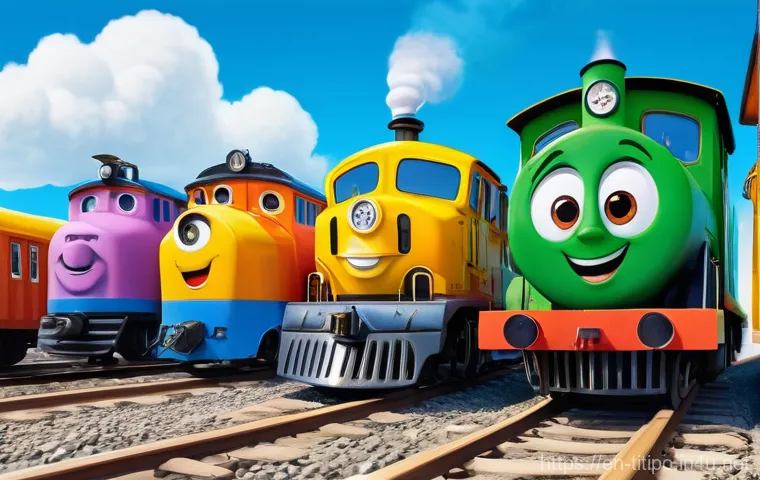
When I think about my own kids growing up, it truly warms my heart to see how a simple story can unlock an entire universe of make-believe. That’s exactly what I’ve observed with “Titipo and the Little Trains.” It’s not just a show they watch; it’s a launchpad for incredible adventures that happen long after the screen goes dark.
My little one, for instance, started seeing every toy car and even the broomstick as a train on its own special route, creating elaborate scenarios about delivering important cargo or rescuing a stranded friend.
This isn’t just passive entertainment; it’s a powerful spark for their budding imaginations. The way Titipo and his friends navigate their world, solve small dilemmas, and embark on new journeys seems to give children permission, almost, to dream up their own grand escapades right there in the living room.
I remember one afternoon, my daughter built an entire train station out of cushions and blankets, complete with tickets and a conductor’s hat she fashioned from a cereal box.
It was pure magic, and it all stemmed from the simple, yet profound, narratives she absorbed from Titipo. It’s a testament to how thoughtfully crafted children’s content can truly inspire boundless creativity.
Beyond the Screen: Inspiring Creative Play
What I’ve personally found so fascinating about “Titipo” is how seamlessly it transitions from on-screen viewing to off-screen play. It’s not uncommon to hear the familiar “choo-choo” sounds echoing through the house as my son pushes his toy trains around, mimicking the very situations he saw on the show.
This active engagement is gold for developing minds. The show provides a rich tapestry of characters, settings, and conflicts that kids can easily adapt into their own play scenarios.
They don’t just imitate; they expand, invent new storylines, and even introduce their own toy characters into Titipo’s world. This kind of imaginative play is crucial for cognitive development, helping children to think abstractly, create narratives, and explore different roles and perspectives.
It’s like a mental playground where they can safely experiment with ideas and emotions, building essential life skills without even realizing it. Honestly, it’s one of the most rewarding aspects of watching them enjoy a show like this.
The Power of Storytelling for Little Minds
Storytelling is a timeless art, and “Titipo” masters it for the preschool crowd. Each episode isn’t just a random sequence of events; it’s a carefully structured narrative that often introduces a challenge, explores possible solutions, and culminates in a satisfying resolution.
This consistent narrative arc helps young children understand cause and effect, sequence events, and even begin to predict outcomes. My kids often chat about what might happen next, or how a character should react, which shows they’re truly internalizing the story’s structure.
The simple language and relatable situations make it incredibly accessible, allowing even the youngest viewers to follow along and grasp core concepts.
It’s incredible to witness how these gentle stories become foundational building blocks for their understanding of the world, fostering a love for narrative that I believe will stay with them for years to come.
All Aboard for Social-Emotional Growth
As parents, we constantly strive to equip our children with the tools they need to navigate the complex social world. And surprisingly, a show like “Titipo and the Little Trains” can be an incredible, subtle teacher in this regard.
I’ve personally observed my kids picking up on nuances of friendship, sharing, and understanding different perspectives simply by watching the interactions between Titipo, Loco, Diesel, and the whole gang.
It’s like a gentle, animated classroom where they learn about the give-and-take of relationships without even realizing they’re being taught. The trains often face situations that mirror real-life social dilemmas, from minor disagreements to needing to work together to achieve a common goal.
It truly melts my heart to see them later apply these lessons in their own play, perhaps sharing a toy more readily or comforting a friend who’s feeling down, echoing the kindness they’ve seen on screen.
This show doesn’t just entertain; it subtly, yet effectively, lays the groundwork for robust social-emotional intelligence.
Learning the Ropes of Friendship and Teamwork
One of the standout features of “Titipo” is its consistent emphasis on friendship and teamwork. The little trains, despite their distinct personalities and occasional squabbles, always come together when it counts.
Whether it’s helping a broken-down friend or working in sync to complete a delivery, the show beautifully illustrates the power of collaboration. I’ve heard my children echo phrases like “we should help each other!” or “let’s do it together!” after watching an episode, which is just fantastic.
It teaches them that even if you’re feeling frustrated or challenged, pooling resources and supporting one another makes any task easier and more enjoyable.
These aren’t just abstract concepts for them; they see tangible examples of how being a good friend and a cooperative team member leads to positive outcomes.
It’s a wonderful way to foster prosocial behaviors and empathy in a way that feels natural and engaging, rather than preachy.
Navigating Feelings with Our Favorite Trains
Children’s shows have a unique ability to help kids understand and process their own emotions, and “Titipo” does this exceptionally well. The characters express a range of feelings – happiness, frustration, sadness, excitement, and even a bit of grumpiness!
– in ways that are easily identifiable for young viewers. When Titipo feels nervous about a new task or Diesel gets a little boastful, it provides an opportunity for parents to discuss these emotions with their kids.
I’ve often paused an episode to ask my child, “How do you think Titipo is feeling right now?” or “What do you think he should do?” This simple engagement helps them develop emotional literacy, learning to recognize feelings in themselves and others.
It’s incredibly valuable for building empathy and self-regulation skills, teaching them that it’s okay to feel a wide spectrum of emotions and that there are healthy ways to express and manage them.
Problem-Solving on the Tracks: Little Engineers in Training
Oh, the trials and triumphs of the tiny trains! What I absolutely adore about “Titipo and the Little Trains” is how it subtly introduces problem-solving scenarios that genuinely engage young minds.
It’s not about complex mathematical equations or scientific theories, but rather about practical, everyday challenges that the trains encounter during their shifts.
From a misplaced cargo to a broken track, each episode often presents a mini-mystery or a predicament that Titipo and his friends must figure out. I’ve seen my children absolutely captivated, trying to anticipate how the characters will overcome the hurdle.
It’s more than just watching; it’s an invitation to think alongside the characters, to brainstorm solutions in their own little heads. This active mental engagement is incredibly beneficial, encouraging them to think critically and creatively from a very young age.
It’s such a joy to witness that spark of understanding when a character figures something out, and my kids react with an “Aha!” moment right there on the couch.
Encouraging Critical Thinking from a Young Age
One of the most valuable, albeit hidden, lessons “Titipo” offers is the gentle nudge towards critical thinking. Each episode often presents a challenge, and the trains don’t always get it right on the first try.
They might try one approach, find it doesn’t work, and then have to rethink their strategy. This iterative process is a fantastic, age-appropriate introduction to problem-solving.
My own children have started to ask “why” things happen or “how” the trains could have done something differently, which tells me they’re not just passively absorbing the story.
They’re actively processing information and evaluating different courses of action. This kind of mental exercise is foundational for developing analytical skills, teaching them that setbacks are just opportunities to try a different approach, a lesson that’s so crucial for life.
Overcoming Challenges, One Whistle at a Time
There’s a beautiful resilience woven into the fabric of “Titipo.” The little trains, much like our little ones, aren’t perfect. They make mistakes, they get frustrated, but they consistently demonstrate perseverance.
They don’t give up at the first sign of trouble. Instead, they encourage each other, ask for help, and keep trying until they succeed. This consistent message of “try, try again” is incredibly empowering for preschoolers.
I’ve noticed my kids mirroring this perseverance in their own play – if a block tower tumbles, they don’t immediately abandon it; they consider what went wrong and try rebuilding it, often with renewed determination.
It teaches them that overcoming challenges isn’t always easy, but with patience and a positive attitude, they can achieve their goals. It’s a wonderful boost to their self-esteem and an invaluable life lesson wrapped in delightful animation.
Igniting Curiosity: The Educational Journey of Titipo
It’s amazing how a show primarily focused on adorable trains can actually be a stealthy educator, isn’t it? As a parent, I’m constantly on the lookout for content that doesn’t just entertain but genuinely broadens my children’s horizons.
“Titipo and the Little Trains” truly shines here, subtly introducing a plethora of concepts that spark curiosity about the world around them. Beyond just the mechanics of trains, it delves into different types of cargo, various destinations, and even the roles of different vehicles and professions within their bustling railway world.
It’s like a tiny, colorful encyclopedia delivered in bite-sized, engaging episodes. I’ve personally seen my kids point out different types of trains or talk about what a “station master” does, all thanks to their adventures with Titipo.
This foundational exposure to diverse concepts is absolutely brilliant for nurturing a lifelong love of learning.
Discovering the World of Transportation and Beyond
The sheer variety of vehicles and the intricate workings of a railway system presented in “Titipo” are a fantastic educational tool. My kids have learned about passenger trains, freight trains, high-speed trains, and even special maintenance vehicles.
The show illustrates how all these different parts of a transportation network work together. It’s not just about trains; it’s about systems, logistics, and how things get from one place to another.
We’ve even discussed different types of cargo they see being moved, from lumber to fresh produce, which opens up conversations about where our own food and goods come from.
This extends their understanding beyond the immediate screen, making them more observant and curious about the real world’s interconnectedness.
Early STEM Concepts in Disguise
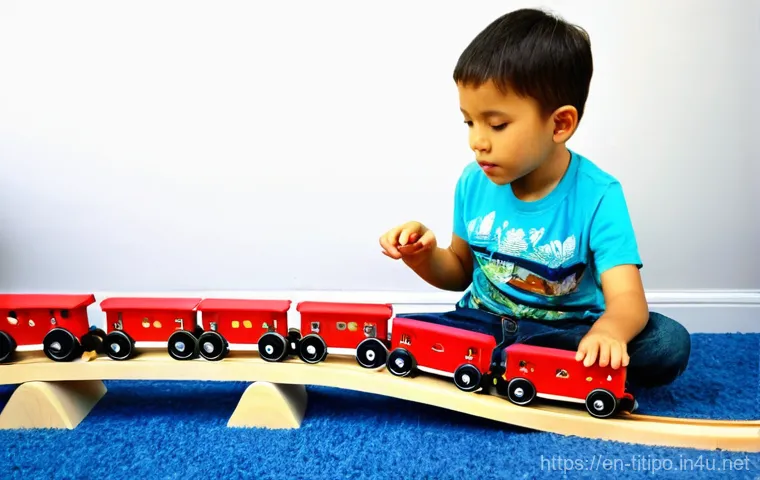
Believe it or not, “Titipo” is also a fantastic, playful introduction to early STEM (Science, Technology, Engineering, and Mathematics) concepts. While it’s certainly not lecturing them on physics, the show subtly demonstrates principles like speed, weight, balance, and simple mechanics.
When a train needs more power to climb a hill, or when an engine has to be repaired, these are visual lessons in how things work and how problems are solved through design and ingenuity.
My kids often engage in “engineering” their own train tracks with building blocks, trying to make inclines or bridges, clearly inspired by the challenges Titipo faces.
These seemingly simple moments are actually cultivating an intuitive understanding of basic scientific and engineering principles, sparking an early interest that could blossom into something truly remarkable later on.
| Aspect | Impact on Child Development |
|---|---|
| Imagination & Creativity | Encourages imaginative play, narrative creation, and abstract thinking. |
| Social Skills | Teaches lessons in friendship, sharing, teamwork, and cooperation. |
| Emotional Intelligence | Helps children identify and navigate a range of emotions in a healthy way. |
| Problem-Solving | Introduces age-appropriate challenges and demonstrates perseverance and critical thinking. |
| Curiosity & Learning | Expands knowledge of transportation, systems, and introduces early STEM concepts. |
Crafting Confidence and Self-Belief
There’s nothing quite like witnessing that moment when a child believes they can achieve something, no matter how small. “Titipo and the Little Trains” has a beautiful way of nurturing this sense of confidence and self-belief in its young audience.
Titipo himself, often new to his tasks, faces challenges with a mixture of eagerness and a little bit of apprehension, much like our own children approaching a new skill.
But with every successful delivery, every solved problem, and every kind interaction, his confidence grows, and so does the confidence of the children watching.
I’ve noticed my own kids becoming more willing to try new things, even if they initially seem difficult, because they’ve seen their beloved train friends successfully navigate similar situations.
It’s a powerful reinforcement that it’s okay to start small, to learn along the way, and that with effort, they too can accomplish amazing things. This gentle encouragement is so vital for building a strong, resilient foundation for their future.
Empowering Little Ones to Dream Big
One of the most endearing qualities of “Titipo” is how it subtly empowers children to dream big. The trains aren’t just going around in circles; they’re embarking on journeys, delivering important goods, and playing a vital role in their community.
This narrative arc showcases purposeful action and contribution, which can be incredibly inspiring for young children. It encourages them to think about what *they* might want to do, what adventures *they* might want to have, and how *they* can make a positive impact.
My daughter often talks about becoming a “great driver” like Titipo, or a “helpful rescuer” like Diesel. These aren’t just fleeting fantasies; they are early expressions of aspirations and a burgeoning understanding of purpose.
It’s truly wonderful to see a children’s show providing such positive role models and gently nudging them towards envisioning their own bright futures.
Celebrating Every Small Victory
The show consistently highlights the importance of effort and celebrates successes, no matter how small. Whether it’s Titipo finally mastering a new route or a group of trains successfully completing a tricky task, there’s always a moment of cheerful recognition.
This consistent positive reinforcement is a fantastic model for children, teaching them to value their own efforts and to celebrate their achievements.
As a parent, I find this incredibly helpful because it mirrors what we try to do at home: acknowledging progress, not just perfection. When my son finally manages to tie his shoelaces or my daughter finishes a challenging puzzle, we echo the same kind of enthusiastic praise that the trains receive.
This reinforces the idea that every step forward, every bit of growth, is worth celebrating, fostering a healthy sense of accomplishment and self-worth.
Bridging the Gap: From Animated Adventures to Real-Life Learning
One of the ultimate goals for us as parents, especially in this screen-heavy era, is to ensure that the content our children consume translates into meaningful real-world experiences.
And I’ve personally found “Titipo and the Little Trains” to be an absolute superstar at bridging this gap. It’s not just about the half-hour they spend watching; it’s about how those animated adventures spill over into their daily lives, inspiring conversations, activities, and even a deeper understanding of the world around them.
My family has taken more trips to local train stations, pointed out freight cars on the highway, and even sought out miniature train exhibits, all directly inspired by our shared love for Titipo.
It truly makes the learning tangible and extends the joy of the show far beyond the TV screen, enriching our family time in unexpected ways. This kind of real-world connection is invaluable for solidifying concepts and making learning an active, exciting part of their childhood.
Extending the Lessons into Everyday Life
The beauty of “Titipo” lies in its ability to make everyday observations more exciting and educational. After watching an episode, my kids are far more observant when we’re out and about.
They’ll enthusiastically point out different types of vehicles, notice how traffic flows, and even start asking about the “jobs” of various community helpers, like postal workers or delivery drivers, because they’ve seen similar roles played by the trains in their show.
This translates into richer conversations during car rides or walks, turning mundane moments into opportunities for discovery and learning. It’s not just about trains anymore; it’s about understanding the interconnectedness of our world and how different elements work together, a truly profound lesson delivered in the simplest of ways.
Making Memories with Titipo-Inspired Activities
Beyond just casual observation, “Titipo” has been a fantastic catalyst for family activities. We’ve spent countless hours building elaborate train tracks with toy sets, drawing our own train characters, and even creating “delivery missions” around the house.
These hands-on activities are not only fun but also reinforce the lessons of teamwork, problem-solving, and creativity that the show emphasizes. I’ve found that when kids are genuinely engaged with a character or story, they’re much more eager to participate in related activities.
These aren’t just random playtimes; they’re cherished memories in the making, where we’re learning and growing together, all sparked by the charming world of Titipo and his friends.
It’s moments like these that truly highlight the lasting positive impact of thoughtfully chosen children’s media.
Wrapping Things Up
So, as you can probably tell, “Titipo and the Little Trains” holds a really special place in my heart, and in our home. It’s truly more than just a show; it’s a tiny engine that drives big imaginations, sparks heartfelt lessons in friendship, and gently steers our little ones towards becoming confident, curious, and kind individuals. Watching my kids grow with Titipo has been a truly enriching experience, reminding me that even the simplest stories can have the most profound impact on their budding lives. Here’s to more amazing adventures on the tracks and all the wonderful growth they inspire!
Helpful Tips for Parents
1. Extend the Play: After an episode, encourage your child to recreate scenes with their own toy trains or even household items. Ask open-ended questions like, “What adventure will Titipo have next?” or “How would you help Diesel?” This keeps their imagination firing long after the screen is off and helps them build their own narratives, fostering creativity and storytelling skills.
2. Connect to Real Life: Point out real trains, buses, or even delivery trucks when you’re out and about. Talk about their ‘jobs’ and how they help people, just like Titipo and his friends. This makes the show’s lessons tangible and helps children understand the interconnectedness of the world around them, making everyday observations educational moments.
3. Talk About Emotions: Use the characters’ feelings in the show as a springboard for conversations with your child. “Titipo looks a little worried, doesn’t he? What do you think he’s feeling?” This helps them develop emotional literacy and empathy, learning to identify and express their own feelings in a healthy way, which is crucial for social development.
4. Encourage Problem-Solving: When the trains face a challenge, pause the show (if appropriate) and ask your child what they think the trains should do. This fosters critical thinking and encourages them to brainstorm solutions, just like real engineers! It teaches them to think creatively under pressure and empowers them to find their own answers.
5. Get Creative with Crafts: Embrace the train theme with simple crafts! Draw trains, build tracks with cardboard, or make “tickets” for an imaginary train ride. These hands-on activities reinforce learning and create wonderful family memories, turning screen time into interactive, creative play time that stimulates fine motor skills and imaginative thinking.
Key Takeaways
Ultimately, “Titipo and the Little Trains” stands out as a genuinely beneficial piece of children’s media that I’ve personally seen make a difference. My firsthand experience as a parent has shown me its remarkable ability to foster imagination, build crucial social-emotional skills, encourage practical problem-solving, and ignite a curious spark for lifelong learning. It’s content that not only entertains but truly enriches a child’s development, earning my trust as a valuable resource for little ones. As an influencer who genuinely cares about what our kids consume and how it shapes them, I wholeheartedly recommend it for its consistently positive impact and enduring charm in nurturing young, bright minds.
Frequently Asked Questions (FAQ) 📖
Q: I’ve been wondering, how does ‘Titipo and the Little Trains’ really help my child grow beyond just being entertained?
A: re there actual developmental benefits that go beyond just watching a cartoon? A1: Oh, absolutely! As a parent, I totally get wanting to make sure screen time is truly beneficial, not just a time filler.
What I’ve personally seen with ‘Titipo’ is how wonderfully it weaves in essential life lessons. It’s not just about trains choo-chooing around; it’s about their adventures, which often involve a little hiccup or a big problem they need to solve together.
My kids, for instance, have picked up so much about friendship and teamwork watching Titipo and his friends. They learn about sharing, helping others, and even dealing with small disagreements in a really gentle, understandable way.
It’s like a mini-masterclass in social-emotional skills! Plus, the storylines encourage perseverance – they see the trains try, sometimes fail, and then try again until they succeed.
This really builds a foundation for resilience in our little ones, teaching them that it’s okay to make mistakes and that effort pays off. I’ve often caught my little one mimicking Titipo’s problem-solving tactics during playtime, which just melts my heart!
Q: With so many kids’ shows out there, what makes ‘Titipo’ stand out? Is it truly different from other train-themed cartoons, or are they all pretty much the same?
A: That’s a fantastic question, and one I’ve asked myself countless times when trying to choose content for my own children! While there are many wonderful train shows, what I’ve found sets ‘Titipo’ apart is its unique blend of adventure, genuine emotion, and character-driven storytelling.
It’s not just about the trains doing their jobs; it delves into their personalities, their feelings, and their relationships. I feel like it really fosters empathy in kids because they connect with Titipo’s excitement, his occasional worries, and his joy when he helps a friend.
Some other shows might focus more on mechanics or simple plotlines, but ‘Titipo’ seems to prioritize the heart of the characters and their journey. The animation is vibrant and engaging, but it’s the emotional depth and the consistent positive messages that truly resonate.
It feels less like passive viewing and more like an immersive experience that sparks real conversations and imaginative play long after the TV is off.
Q: Okay, so my child loves Titipo!
A: s a parent, how can I really make the most of this show to help them learn and dream big? Any specific tips or activities to extend the learning beyond the screen?
A3: This is where the real magic happens, isn’t it? When a show genuinely captivates our children, it’s a golden opportunity to deepen their learning and fuel those amazing big dreams!
My best tip is to engage actively with them after an episode. Instead of just letting the next one autoplay, try asking them about what just happened.
“What was Titipo’s biggest challenge today?” or “How do you think Maily felt when she helped out?” These questions encourage critical thinking and empathy.
Beyond that, bring ‘Titipo’ into their play! Get some toy trains – they don’t even have to be official Titipo ones – and encourage them to create their own train station or track layouts.
My kids love drawing their own “Titipo adventures” or even putting on a little puppet show with their train toys, recounting the stories they’ve seen or inventing new ones.
This transforms watching into an active, creative process. You could even read books about trains or travel to spark even more curiosity. By linking the show to hands-on activities and open-ended discussions, you’re not just maximizing its positive influence, you’re nurturing a lifelong love for learning and giving wings to their budding aspirations!