Hey fellow parents and educators! In today’s fast-paced world, finding truly enriching and engaging activities for our little ones can feel like a real quest, especially when we’re trying to balance screen time with genuine hands-on learning.
I’ve personally seen the magic that happens when children connect with beloved characters in a meaningful way, and that’s exactly what makes the upcoming Titipo educational workshop so incredibly exciting!
This isn’t just another playdate; it’s a carefully designed experience leveraging the latest play-based learning and STEAM principles to spark curiosity and build crucial social-emotional skills.
If you’re looking to ignite your child’s imagination and foster a love for learning that lasts a lifetime, you’re definitely in the right place. Let’s discover exactly how these workshops can make a profound difference for your little one.
Unlocking the Power of Play: More Than Just Fun
As parents, we often hear the phrase “play is learning,” but do we truly grasp the depth of that statement? I’ve personally seen the incredible transformation that happens when children are given a space where learning feels less like a chore and more like an exciting adventure. These workshops aren’t just about keeping kids busy; they’re meticulously designed environments where every giggle, every curious prod, and every collaborative effort is a building block for cognitive and emotional development. It’s truly fascinating to watch little minds grapple with new concepts, not because they have to, but because they genuinely *want* to. This intrinsic motivation, born from the joy of discovery, is what makes these experiences so profoundly impactful. I’ve noticed that when children are immersed in play-based scenarios, they develop a more profound understanding of complex ideas, simply because they’re actively constructing their own knowledge rather than passively receiving it. It’s a game-changer for fostering a lifelong love of learning, and honestly, it makes my heart sing to see their eyes light up with pure, unadulterated excitement as they figure something out on their own.
The Science Behind Playful Learning
It’s not just a hunch; there’s solid educational research backing the efficacy of play-based learning. When children engage in imaginative play or hands-on activities, they’re not just having fun; their brains are firing on all cylinders, building neural pathways essential for problem-solving, creativity, and critical thinking. I’ve read countless studies and experienced firsthand that this kind of engagement significantly improves information retention compared to traditional rote memorization. It’s like their brains are sponges, soaking up knowledge in the most natural and effective way possible. The tactile and sensory input from activities in these workshops creates richer memories and connections, ensuring that the concepts stick long after the workshop ends. This approach perfectly aligns with how young children naturally explore and understand the world around them.
From Curiosity to Competence
One of the most beautiful aspects of a well-structured play environment is its ability to transform raw curiosity into genuine competence. I’ve observed children who were initially hesitant quickly dive in, driven by their innate desire to explore and understand. These workshops provide safe, encouraging spaces where making mistakes isn’t just allowed, it’s celebrated as a crucial part of the learning process. It’s a huge relief as a parent to see that kind of supportive atmosphere. This fosters resilience and a ‘growth mindset,’ teaching kids that challenges are opportunities, not roadblocks. They learn to experiment, adapt, and refine their approaches, building confidence with every tiny victory. This isn’t just about mastering a specific skill; it’s about developing a robust approach to learning that will serve them well throughout their entire lives, whether it’s in school or tackling real-world problems.
STEAMing Ahead: Nurturing Future Innovators
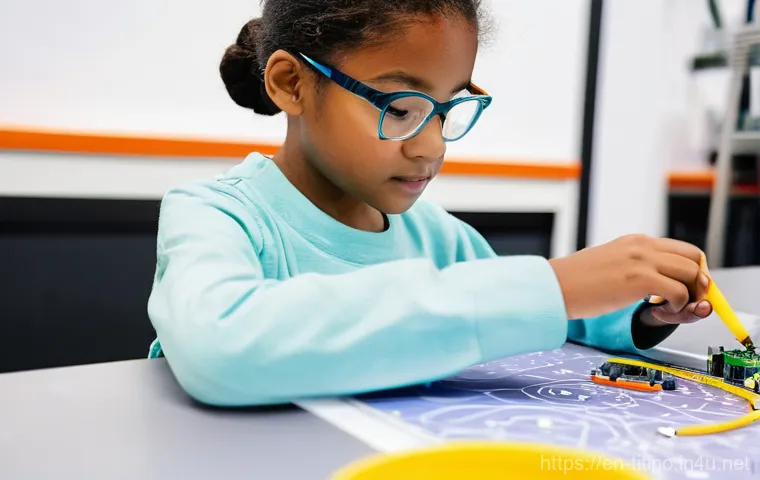
In our increasingly technological world, equipping children with strong foundations in Science, Technology, Engineering, Arts, and Mathematics (STEAM) isn’t just an option; it’s a necessity. I’ve always advocated for early exposure to these fields, and these workshops truly deliver. They don’t just teach STEAM concepts; they immerse children in them through interactive, engaging projects that feel more like play than academic lessons. Imagine your child building a simple circuit, designing a miniature bridge, or even composing a short musical piece – all while learning fundamental scientific principles and mathematical logic without even realizing it. This hands-on, experiential approach is light years ahead of just reading about these topics in a textbook. What I’ve found is that when children can physically manipulate objects, test hypotheses, and see immediate results, the abstract concepts suddenly become tangible and exciting. This sparks a genuine interest and demystifies subjects that can often seem daunting. It’s incredibly rewarding to watch their faces as they connect the dots, realizing how things work and why, all through their own effort and ingenuity. These workshops are truly building the next generation of thinkers and doers.
Integrating Science and Art Seamlessly
One aspect I particularly adore about the STEAM approach in these workshops is the ‘A’ for Arts. It’s not just an afterthought; it’s intrinsically woven into the fabric of the learning. I’ve always believed that creativity and logical thinking aren’t mutually exclusive, and these workshops prove it. Children might be tasked with designing the aesthetics of a machine they’ve just engineered or using artistic expression to communicate a scientific finding. This integration teaches them that innovation isn’t purely about logic; it also requires imagination, divergent thinking, and a keen eye for aesthetics. My own experience tells me that combining these disciplines actually enhances comprehension and problem-solving skills, allowing children to approach challenges from multiple perspectives. It fosters a holistic way of thinking that is absolutely vital in our complex world, teaching them that beauty and utility can, and often should, coexist.
Early Exposure to Engineering Principles
It’s never too early to introduce the fundamentals of engineering, and these workshops do it brilliantly. Forget complicated equations; we’re talking about practical challenges like building stable structures, understanding leverage, or designing simple machines. I’ve seen kids, as young as four or five, instinctively grasp concepts like balance and weight distribution while constructing a play-doh bridge or assembling a model train track. These aren’t formal lectures; they are practical, hands-on experiments where failure is just another step towards success. What I’ve found is that this iterative process of building, testing, and refining teaches invaluable lessons in perseverance, problem-solving, and critical thinking. It allows them to understand the engineering design process in a tangible way, laying a solid groundwork for more advanced concepts later on, and instilling a confidence that they can, indeed, build things that work.
The Heart of Learning: Cultivating Social-Emotional Smarts
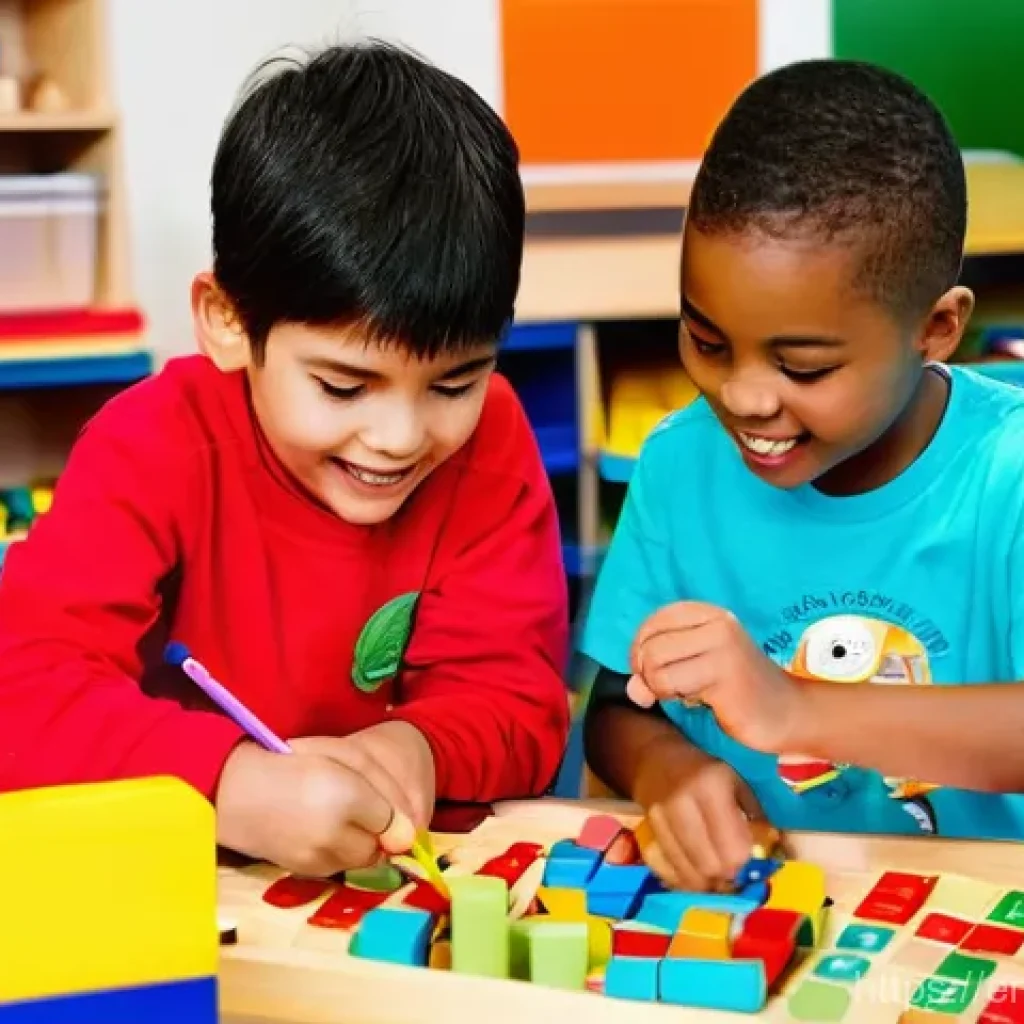
Beyond the academic benefits, one of the most significant takeaways I’ve observed from these workshops is the profound impact on children’s social-emotional development. In a world increasingly dominated by individual screen time, opportunities for genuine, unscripted interaction are more crucial than ever. These workshops create a dynamic group setting where collaboration isn’t just encouraged; it’s essential for completing tasks and solving challenges. I’ve personally seen shy children slowly open up, finding their voice as they contribute to a team project. It’s heartwarming to witness kids learning to share ideas, negotiate roles, and even resolve small conflicts, all under the gentle guidance of experienced facilitators. These are truly invaluable life skills that extend far beyond the workshop walls, influencing how they interact with peers at school, family members at home, and eventually, colleagues in their adult lives. The empathy they develop by working alongside others, understanding different perspectives, and celebrating shared successes is truly beautiful to behold. It gives them a strong foundation for building healthy relationships and navigating the complexities of social dynamics.
Building Empathy and Collaboration
I cannot stress enough the importance of fostering empathy in our children, and these workshops provide an excellent incubator for it. When children work together on a shared goal, they naturally learn to consider others’ feelings and ideas. They learn to listen, to compromise, and to celebrate each other’s contributions. I’ve often seen moments where one child struggles, and another, without prompting, steps in to offer help or encouragement. These organic acts of kindness and support are far more impactful than any lecture on “being nice.” It’s an authentic learning experience where they discover the power of collective effort and the joy of shared achievement. This kind of collaborative environment builds a strong sense of community, teaching them that they are part of something bigger than themselves, and that helping others ultimately helps everyone.
Navigating Challenges and Building Resilience
Life isn’t always smooth sailing, and one of our key roles as parents is to equip our children with the tools to navigate its inevitable bumps. These workshops, with their hands-on problem-solving, naturally present challenges that require perseverance. I’ve seen kids get frustrated when a tower tumbles or an experiment doesn’t work as planned. But crucially, they’re in an environment where they’re encouraged to try again, to rethink their approach, and to learn from their “failures.” This isn’t about avoiding difficulty; it’s about building resilience – that incredible ability to bounce back. My observation has been that learning to cope with minor setbacks in a supportive setting gives them the confidence to tackle bigger obstacles later on. It teaches them that it’s okay not to get things right the first time, and that effort and persistence often lead to the most satisfying breakthroughs.
Screen Time vs. Quality Time: Making the Switch
Let’s be honest, in today’s digital age, managing screen time for our kids feels like a constant battle. While there’s a place for educational apps and shows, I’ve personally felt the growing concern about the sheer volume of passive consumption. That’s why I’m such a huge advocate for these types of experiential workshops. They offer a tangible, engaging alternative that truly enriches a child’s development in ways a screen simply cannot replicate. Instead of staring at a glowing rectangle, children are actively building, experimenting, and interacting face-to-face with peers and mentors. This isn’t just about reducing screen time; it’s about replacing it with profoundly *quality* time – moments of genuine discovery, creative expression, and meaningful social interaction. I’ve noticed a significant difference in my own child’s engagement and overall mood after an afternoon spent actively creating versus one spent passively watching. There’s a sparkle in their eyes and an excitement in their voice that comes from real-world accomplishment, not virtual rewards. It feels like we’re giving them back a piece of their childhood that might otherwise be lost to endless scrolling and swiping, and for me, that’s incredibly precious.
Reclaiming Hands-On Exploration
Remember those days of building forts, digging in the dirt, and creating imaginary worlds with just a few household items? These workshops are bringing that magic back. I believe strongly that children need to manipulate physical objects, feel different textures, and understand spatial relationships through touch and sight, not just through a screen. This hands-on exploration is vital for developing fine motor skills, spatial reasoning, and a concrete understanding of how the world works. My own experience has shown me that kids thrive when they can get their hands dirty, literally and figuratively. They learn to problem-solve in three dimensions, which is a completely different skill set than navigating a two-dimensional interface. It’s about engaging all their senses and fostering a deeper connection with their environment, moving beyond the superficial and into genuine tactile learning.
Fostering Real-World Connections
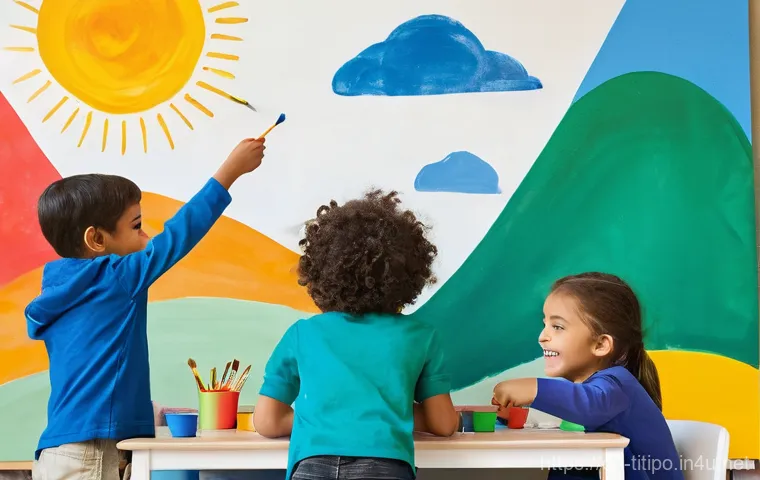
One of the beautiful things about stepping away from screens and into an interactive workshop is the opportunity to make real-world connections. Children aren’t just learning abstract concepts; they’re seeing how those concepts apply to the world around them. For example, understanding how gears work when building a simple machine, or seeing the principles of physics in action when constructing a bridge. These aren’t just isolated facts; they become part of a larger, interconnected understanding. I’ve found that this kind of contextual learning is incredibly powerful for memory retention and for developing a broader, more integrated view of knowledge. It helps children understand the “why” behind what they’re learning, which is a far more engaging and effective motivator than simply memorizing for a test. It truly transforms learning from an isolated activity into an exploration of the world around them.
A Parent’s Perspective: Why I Choose Experiential Learning
As a parent, I’m constantly looking for activities that genuinely benefit my child, not just fill time. After trying various approaches, I’ve wholeheartedly embraced experiential learning, and these workshops perfectly embody why. It’s not just about the specific skills they pick up, though those are certainly impressive; it’s about the joy, the confidence, and the deep-seated love for learning that these experiences ignite. I’ve seen my child come home buzzing with excitement, eager to tell me about a new discovery or a challenge they overcame. That kind of intrinsic motivation is something you just can’t force, and it’s a direct result of being engaged in meaningful, hands-on activities. For me, it boils down to providing opportunities that foster holistic growth – intellectual, emotional, and social. It’s about investing in their future not just academically, but as well-rounded, curious, and resilient individuals. The long-term benefits of this type of engagement far outweigh any short-term convenience of simpler activities, and I sleep better knowing I’m contributing to their genuine development.
Tangible Growth Beyond Academics
When I reflect on what truly matters for my child’s future, it’s not just about grades; it’s about character, adaptability, and a genuine zest for life. These workshops contribute massively to that. I’ve witnessed my child develop a tenacity for problem-solving that extends into everyday life, a newfound willingness to collaborate with others, and a burgeoning sense of self-reliance. These aren’t things you can teach from a textbook; they are forged in the crucible of real-world interaction and hands-on challenges. What I’ve seen is that the confidence gained from successfully completing a project or solving a puzzle spills over into other areas of their lives, making them more adventurous and less intimidated by new experiences. It’s truly incredible to see these transformations happen right before your eyes, and as a parent, it’s profoundly reassuring to know they are developing these invaluable life skills.
The Value of Expert Facilitation
It’s one thing to provide materials; it’s another entirely to have skilled educators who know how to guide children through discovery. I’ve been so impressed by the facilitators at these workshops. They aren’t just instructors; they’re mentors who understand child psychology, learning styles, and how to gently nudge a child towards a breakthrough without giving away the answer. They foster an atmosphere of inquiry and support, making every child feel seen and valued. This expert guidance is crucial because it ensures that the learning is truly maximized and that every child, regardless of their starting point, feels empowered to participate and succeed. My experience has been that a good facilitator can turn a simple activity into a profound learning experience, and that’s exactly what these workshops offer – not just activities, but expertly guided journeys of discovery.
Beyond the Classroom: Real-World Skills for Life
While traditional schooling has its place, I firmly believe that some of the most crucial skills for navigating life simply can’t be taught solely within classroom walls. These educational workshops bridge that gap beautifully by focusing on real-world applications and developing competencies that are essential for future success. We’re talking about critical thinking, adaptability, creative problem-solving, and effective communication – all skills that employers highly value, regardless of the industry. When children are engaged in designing a structure, debugging a simple code, or collaborating on a creative project, they are developing a practical understanding of how things work in the ‘real world.’ They learn to think on their feet, adjust their plans when unforeseen challenges arise, and articulate their ideas clearly to others. I’ve often reflected on how much these experiences will prepare my child for the complexities of adulthood, giving them a significant head start. It’s about preparing them not just for the next test, but for the grand adventure of life itself, equipping them with a versatile toolkit of abilities that will serve them well in any path they choose. These are truly the foundational experiences that foster lifelong learners and innovative problem-solvers.
Developing Practical Problem-Solving
Life is an endless series of problems to solve, big and small, and these workshops are fantastic training grounds. Instead of hypothetical scenarios, children face tangible challenges like “How do we make this tower stand taller?” or “What’s the best way to move this object using simple machines?” They’re encouraged to experiment, to fail gracefully, and to try different approaches until they find a solution. I’ve observed that this iterative process builds incredible resilience and sharpens their analytical skills in a way that theoretical learning simply cannot match. It teaches them that there isn’t always one right answer, and that sometimes the most creative solutions come from thinking outside the box. This hands-on approach to problem-solving is invaluable, cultivating a mindset where challenges are viewed as opportunities for innovation rather than insurmountable obstacles. It’s a skill set that translates directly into navigating the complexities of their future academic and professional lives.
Fostering Innovation and Adaptability
The world is changing at an unprecedented pace, and the ability to innovate and adapt is more critical than ever. These workshops, with their emphasis on creative exploration and open-ended projects, are perfect for nurturing these qualities. Children are often presented with a challenge and then given the freedom to devise their own unique solutions, encouraging them to think creatively and not just follow instructions. When an experiment doesn’t go as planned, they learn to adapt their approach, brainstorm alternatives, and pivot their strategies. I’ve personally seen this flexibility in action and it’s truly impressive. It’s about more than just finding an answer; it’s about learning to embrace uncertainty and to continually evolve their thinking. This adaptability is a superpower in our rapidly changing world, and I feel confident that these workshops are providing the fertile ground for our children to grow into agile and innovative thinkers, ready for whatever the future holds.
| Benefit Category | Workshop Impact | Real-World Application |
|---|---|---|
| Cognitive Growth | Enhanced critical thinking, problem-solving, and creativity through hands-on STEAM projects. | Academic success, innovative career paths, effective decision-making. |
| Social-Emotional Skills | Improved collaboration, empathy, communication, and conflict resolution in group settings. | Stronger relationships, leadership potential, emotional intelligence. |
| Physical Development | Fine motor skill development, spatial reasoning, and sensory integration from tactile activities. | Coordination, practical dexterity, understanding physical environments. |
| Future Readiness | Adaptability, resilience, and a love for lifelong learning through experiential challenges. | Preparedness for evolving job markets, personal growth, embracing new challenges. |
Wrapping Things Up
Whew! We’ve covered a lot today, haven’t we? It’s truly amazing to see how much children thrive when given the right environment to explore, question, and create. My hope is that this deep dive into experiential learning has sparked some new ideas for you, whether you’re a fellow parent, an educator, or simply someone passionate about nurturing young minds. I’ve always believed that the best learning happens when it doesn’t feel like learning at all, but rather an exciting journey of discovery. It’s an investment in their future that pays dividends in resilience, creativity, and a lifelong love of figuring things out. I’m genuinely excited for you to see the magic unfold firsthand!
Handy Tips for Parents
1. Embrace “Messy Learning”: Don’t shy away from activities that get a little messy. Often, the greatest discoveries happen when kids are free to experiment with textures, colors, and materials without worrying about perfection.
2. Ask Open-Ended Questions: Instead of just giving answers, encourage critical thinking by asking “what if” or “how does that work?” questions. This invites them to explore solutions and explanations on their own.
3. Prioritize Unstructured Playtime: In our busy schedules, it’s easy to over-program our kids. Make sure there’s ample time for free play where they can direct their own activities and let their imaginations run wild.
4. Connect Learning to Real Life: Show them how what they’re learning applies to the world around them. Cooking teaches math, a nature walk teaches science, and building a fort teaches engineering!
5. Model Curiosity: Let your children see *you* learning and exploring new things. Your enthusiasm can be incredibly contagious and inspire them to become lifelong learners themselves.
Key Takeaways
At the end of the day, the core message here is simple: children learn best by doing. Experiential learning, through play, STEAM activities, and social interaction, isn’t just a trend; it’s a profound way to foster holistic development. It equips them with critical thinking, problem-solving, and social-emotional skills that are absolutely essential for navigating our rapidly changing world. By providing rich, hands-on experiences and encouraging curiosity, we empower our kids to become confident, adaptable, and genuinely excited about their journey of learning and growth. These workshops, and the principles they embody, are truly an invaluable asset in their developmental toolkit.
Frequently Asked Questions (FAQ) 📖
Q: What age range is the Titipo educational workshop designed for, and how will it specifically benefit my child at that stage?
A: That’s a fantastic question, and one I hear all the time! From my own experience as a parent always on the lookout for enriching opportunities, I’ve found that the Titipo educational workshops are truly perfect for children aged 3 to 6 years old.
This age group is just a sponge for new experiences, and these workshops are meticulously crafted to meet them right where they are developmentally. What I really love about it is how it focuses on building those foundational skills that are absolutely crucial.
We’re talking about things like early problem-solving, sparking that natural curiosity that sometimes gets lost, and even gentle introductions to early literacy and numeracy through play.
For instance, my little one, who is right in that sweet spot, came home buzzing about how they helped “fix” a train track puzzle, which was actually a subtle lesson in spatial reasoning!
It’s all about nurturing their growth in a way that feels like pure fun, not like schoolwork.
Q: What exactly will my child be doing in these workshops? Will it just be watching Titipo, or is it more hands-on?
A: Oh, this is definitely not a passive screen-time experience, and that’s something I was personally thrilled about! When I first looked into it, I worried it might just be a glorified viewing party, but it’s genuinely the opposite.
These workshops are incredibly hands-on and immersive. Imagine your child stepping into the world of Titipo! They’ll engage in creative role-playing scenarios, construct their own mini-train tracks using various materials (hello, fine motor skills!), and participate in guided art projects that encourage self-expression.
There are also interactive storytelling sessions where they can contribute to the narrative, which I’ve seen really boost confidence. For example, during one session, they got to design their “dream train station” and then present it to the group.
It wasn’t just about drawing; it was about imagining, planning, and communicating their ideas. It’s a dynamic blend of imaginative play and structured learning activities, all inspired by the beloved characters your child already adores.
It’s truly brilliant how they weave STEAM principles into every activity!
Q: How do these workshops truly make learning fun and help with my child’s development beyond just academics?
A: This is where the Titipo workshops truly shine and what makes them stand out in my book! They go far beyond just teaching ABCs or 123s, although those elements are certainly present.
The real magic lies in their play-based learning approach and emphasis on social-emotional development. Think about it: when kids are engrossed in building a track together, they’re not just learning engineering basics; they’re practicing collaboration, negotiation, and sharing.
When a challenge pops up, like a “broken” train, they’re encouraged to brainstorm solutions, which builds resilience and problem-solving skills. I’ve personally observed children who were initially shy slowly open up and engage with their peers, thanks to the friendly, supportive environment fostered by the educators and the shared love for Titipo.
It’s about developing empathy, learning to express feelings in a healthy way, and building a sense of belonging. The joy and excitement on their faces are genuine, and that, to me, is the clearest sign that they’re not just learning, but truly thriving and building a lifelong love for exploration and connection.