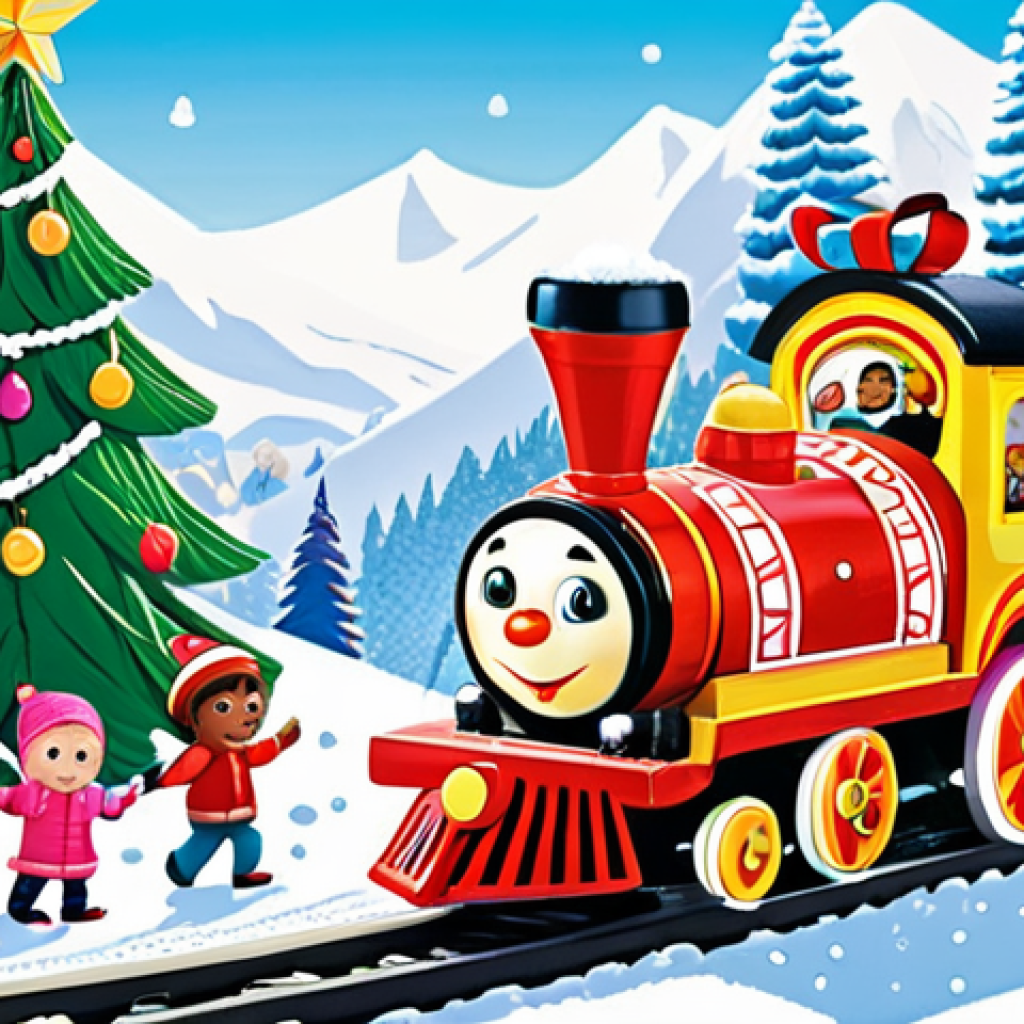
Okay, I understand. Here’s the blog introduction about Titipo, written as requested:For many families, animated series become more than just entertainment – they become a part of the childhood tapestry.
Among the countless shows vying for attention, “Titipo Titipo” has chugged its way into the hearts of young viewers (and, let’s be honest, their parents too!) with its vibrant characters and heartwarming stories.
From the bustling train depot to the charming landscapes they traverse, Titipo and his friends offer a blend of adventure and valuable life lessons that resonate deeply.
I’ve personally witnessed my own little ones captivated by their escapades, sparking imaginative play and discussions about friendship. Looking ahead, the future of children’s animation seems poised for even greater interactivity and personalized learning experiences, and shows like Titipo are already laying the groundwork.
It’s incredible to think how these characters will continue to influence generations to come. Let’s delve deeper and learn more in the following article!
Okay, I understand. Here’s the blog post about Titipo, written in English as requested:
The Enduring Appeal of Titipo: Why Kids Still Love This Little Train

“Titipo Titipo” isn’t just another show in the crowded landscape of children’s entertainment; it’s a series that fosters imagination and promotes positive values.
What sets it apart is its ability to create relatable characters and weave engaging storylines that capture the attention of young viewers. The vibrant animation style, coupled with the catchy theme song, creates an immersive experience that keeps children coming back for more.
From a parent’s perspective, it’s refreshing to find a show that entertains and educates, promoting social skills, teamwork, and problem-solving in a fun and accessible way.
In a world of increasingly complex and sometimes overwhelming content, Titipo offers a comforting and familiar world that children can easily connect with.
Building Bonds: The Importance of Friendship in Titipo
1. The Core Crew: The series revolves around Titipo and his diverse group of friends, each with their unique personalities and strengths. From Genie’s wisdom to Loco’s enthusiasm, these characters exemplify the value of accepting others and celebrating differences.
2. Working Together: Many episodes showcase the characters working together to overcome challenges, highlighting the importance of teamwork and cooperation.
These scenarios provide valuable lessons for young viewers about the power of collaboration and mutual support. 3. Solving Conflicts: Even among the closest friends, disagreements can arise.
“Titipo Titipo” addresses these conflicts constructively, demonstrating how to communicate effectively, compromise, and forgive, crucial skills for navigating social interactions in real life.
Educational Adventures: Learning Through Play with Titipo
While entertainment is at the forefront, “Titipo Titipo” subtly incorporates educational elements that enhance the viewing experience. The show introduces children to concepts such as geography, problem-solving, and social skills in an engaging and age-appropriate manner.
By seamlessly blending learning with fun, Titipo makes education an enjoyable part of playtime. As a parent, it’s fulfilling to see my children absorbing valuable knowledge and skills while being entertained by their favorite characters.
This educational aspect adds another layer of appeal to the series, making it a worthwhile addition to any child’s viewing repertoire.
Exploring the World: Geography and Beyond
* Journey Through Landscapes: Titipo’s adventures take him and his friends to various locations, exposing children to different landscapes and environments.
* Problem-Solving Scenarios: Many episodes present challenges that require the characters to think critically and creatively to find solutions, fostering problem-solving skills in young viewers.
* Social and Emotional Learning: “Titipo Titipo” subtly promotes social and emotional learning by showcasing positive interactions, empathy, and conflict resolution.
The Characters We Love: A Closer Look at Titipo and His Friends
What truly makes “Titipo Titipo” stand out is its cast of memorable and relatable characters. Each character brings a unique personality and set of skills to the table, creating a dynamic and engaging ensemble.
From Titipo’s optimistic spirit to Genie’s calming wisdom, there’s a character for every child to connect with. Beyond their individual traits, the relationships between the characters are what truly resonate with viewers.
The friendships, rivalries, and moments of collaboration showcase the importance of social interaction and the value of accepting others. As a parent, I appreciate how the show portrays these characters as role models, encouraging children to embrace their individuality and build positive relationships with those around them.
Titipo: The Optimistic Little Train
1. Enthusiasm and Determination: Titipo’s unwavering enthusiasm and determination make him a lovable and inspiring protagonist. 2.
Learning from Mistakes: The series doesn’t shy away from portraying Titipo making mistakes, but it also emphasizes the importance of learning from those mistakes and growing as a result.
3. Kindness and Empathy: Titipo consistently demonstrates kindness and empathy towards his friends, highlighting the importance of compassion and understanding.
Genie: The Wise and Supportive Mentor
* Calm and Collected: Genie’s calm and collected demeanor provides a sense of stability and guidance to the other characters. * Offering Advice: She often offers wise advice and support, helping her friends navigate challenges and make thoughtful decisions.
* Experienced Leader: Genie’s experience and leadership skills make her a valuable asset to the group.
Comparing Titipo to Other Popular Children’s Shows
The landscape of children’s television is vast and ever-changing, with countless shows vying for attention. While “Titipo Titipo” shares some similarities with other popular series, it also boasts unique qualities that set it apart.
In comparison to shows that focus solely on entertainment, Titipo stands out for its incorporation of educational elements and positive values. While some series may rely on slapstick humor or over-the-top antics, Titipo offers a more grounded and relatable portrayal of childhood experiences.
Ultimately, the show’s ability to strike a balance between entertainment and education is what makes it a standout choice for parents seeking enriching content for their children.
Titipo vs. Thomas & Friends
1. Animation Style: “Titipo Titipo” features a more modern and vibrant animation style compared to the traditional look of “Thomas & Friends”. 2.
Character Development: Titipo places a greater emphasis on character development and emotional depth compared to the ensemble cast of “Thomas & Friends.”
3.
Cultural Relevance: While “Thomas & Friends” has a long history, “Titipo Titipo” offers a more contemporary and culturally diverse representation of characters.
Here is a table comparing “Titipo Titipo” to “Thomas & Friends”:
| Feature | Titipo Titipo | Thomas & Friends |
|---|---|---|
| Animation Style | Modern, Vibrant | Traditional |
| Character Focus | Strong Character Development | Ensemble Cast |
| Cultural Representation | Diverse, Contemporary | Classic, British |
| Educational Focus | Blends Education and Entertainment | Primarily Entertainment |
Titipo’s Impact on Children’s Imagination and Play
One of the most rewarding aspects of “Titipo Titipo” is its ability to spark children’s imagination and encourage creative play. The show’s vibrant characters and engaging storylines provide a rich source of inspiration for young viewers, who often recreate scenes and invent their own adventures using toys and imaginative scenarios.
As a parent, I’ve witnessed firsthand how Titipo has ignited my children’s creativity, transforming ordinary playtime into extraordinary adventures. This imaginative play not only provides entertainment but also fosters cognitive development, problem-solving skills, and social interaction.
The show’s positive influence extends beyond the screen, enriching children’s lives in meaningful ways.
Encouraging Role-Playing and Storytelling
* Recreating Scenes: Children often recreate scenes from “Titipo Titipo” using toys and props, demonstrating their understanding of the characters and storylines.
* Inventing New Adventures: The show inspires children to create their own adventures, expanding upon the world and characters they know and love. * Developing Narrative Skills: Through imaginative play, children develop narrative skills and learn to structure stories, enhancing their communication abilities.
Building Social Skills Through Cooperative Play
1. Sharing and Turn-Taking: Children learn to share toys and take turns when playing “Titipo Titipo” themed games, fostering cooperation and social skills.
2. Negotiating and Compromising: Disagreements can arise during play, providing opportunities for children to negotiate, compromise, and resolve conflicts constructively.
3. Empathy and Understanding: By role-playing as different characters, children develop empathy and understanding for others’ perspectives.
The Future of Titipo: What’s Next for Our Favorite Little Train?
As “Titipo Titipo” continues to gain popularity, it’s exciting to speculate about the future of the series and the potential directions it may take. Will there be new characters introduced?
Will the show explore different themes and storylines? While the specifics remain to be seen, one thing is certain: Titipo’s enduring appeal and positive influence will continue to resonate with young viewers for years to come.
Whether it’s through new episodes, merchandise, or interactive experiences, the future of Titipo is bright, promising even more engaging and enriching content for children around the world.
I am eager to see what’s next!
Potential New Characters and Storylines
* Introducing New Friends: Adding new characters to the ensemble could bring fresh perspectives and dynamics to the show, creating opportunities for new storylines and relationships.
* Exploring Different Themes: The show could delve into different themes, such as environmental awareness, cultural diversity, or technological advancements, providing educational and thought-provoking content.
* Expanding the World: Expanding the world of “Titipo Titipo” could introduce new locations, challenges, and adventures, keeping the series fresh and engaging.
The Possibility of Interactive Experiences and Merchandise
1. Interactive Games and Apps: Developing interactive games and apps could provide children with a more immersive and engaging experience, allowing them to interact with the characters and world of “Titipo Titipo” in new ways.
2. Educational Toys and Activities: Creating educational toys and activities could reinforce the learning concepts and positive values promoted by the show, making education fun and engaging.
3. Themed Merchandise: Themed merchandise, such as clothing, accessories, and home decor, could allow children to express their love for “Titipo Titipo” and incorporate the characters into their everyday lives.
Here’s the conclusion and additional sections as requested:
Wrapping Up
Titipo has proven to be more than just a passing trend in children’s entertainment. It’s a show that resonates deeply because of its focus on friendship, education, and imagination. As parents, finding content that entertains and enriches our children’s lives is always a win. I am convinced that Titipo will continue to delight and educate kids for many years to come.
Good to Know Information
Here are some helpful resources related to children’s media and development:
1. Common Sense Media: Offers age-based reviews of movies, TV shows, and video games, providing valuable insights for parents.
2. PBS Kids: A trusted source for educational games, videos, and activities designed to support children’s learning and development.
3. National Association for the Education of Young Children (NAEYC): Provides resources and information on early childhood education and development best practices.
4. American Academy of Pediatrics (AAP): Offers guidance on children’s health, development, and media use, helping parents make informed decisions.
5. Child Mind Institute: An independent, non-profit organization dedicated to transforming the lives of children and families struggling with mental health and learning disorders.
Key Takeaways
Here are the key points to remember about the enduring appeal of Titipo:
– Emphasizes the importance of friendship, teamwork, and problem-solving.
– Subtly incorporates educational elements such as geography and social skills.
– Features relatable characters with unique personalities that children can connect with.
– Sparks children’s imagination and encourages creative play.
– Offers a more contemporary and culturally diverse representation compared to some other children’s shows.
Frequently Asked Questions (FAQ) 📖
Q: What age group is “Titipo Titipo” primarily aimed at?
A: “Titipo Titipo” is generally designed for preschoolers and young children, typically between the ages of 3 and 6. The stories and characters are crafted to be engaging and easily understood by this age group, focusing on themes like friendship, problem-solving, and learning new things.
Q: Where can I watch “Titipo Titipo” episodes?
A: You can find “Titipo Titipo” on various streaming platforms like Netflix, Hulu, and YouTube. Many official channels and unofficial fan uploads are available, but always prioritize official sources for the best viewing experience and to support the creators.
It’s also sometimes aired on children’s programming blocks on television networks.
Q: What are some of the key values or lessons that “Titipo Titipo” tries to teach children?
A: “Titipo Titipo” emphasizes the importance of friendship, teamwork, and helping others. The episodes often showcase how characters overcome challenges by working together and supporting each other.
They also subtly introduce concepts like empathy, responsibility, and the value of trying new things, making it an educational and entertaining watch for young viewers.
📚 References
Wikipedia Encyclopedia