Hey everyone! It’s your favorite English blog influencer, and I’m so excited to dive into a topic that’s been sparking creativity for me lately: digital creation.
Honestly, it feels like we’re living in a golden age where anyone, anywhere, can bring their wildest ideas to life with just a few clicks. I’ve been experimenting with some incredible tools, and what I’ve found is that the future of storytelling and art is literally at our fingertips.
From animated shorts to interactive experiences, the possibilities are endless. You know, there’s something truly magical about taking a beloved character, even one like Titipo—yes, the little train that could!—and giving them a whole new digital life.
It’s not just about making pretty pictures; it’s about nurturing imagination, developing crucial digital literacy, and even building confidence in young creators.
We’re seeing huge trends like AI-driven content creation, immersive AR and VR experiences, and short-form video dominating the digital landscape, making it easier than ever to jump in and create something truly unique.
I’ve personally seen how engaging with these kinds of projects can transform a simple idea into a vibrant, shareable piece of art. It’s about being an active participant in shaping stories, not just a passive consumer.
If you’re looking to spark that creative fire in yourself or even in the young ones around you, then you’re in the right place. We’ll explore it in detail!The search results indicate that digital content creation is heavily influenced by AI, short-form video, immersive AR/VR, and personalized content.
There’s also a significant focus on encouraging digital creativity in children through animation and character design, often using accessible tools. “Titipo” appears in specific YouTube videos related to 3D coloring and paper crafts for kids, which aligns with the idea of character-based creative projects for a younger audience.
My description needs to:
– Be at least 8 lines, 200 characters. – Reflect current trends (AI, short-form video, interactive/immersive content). – Be human-like, friendly, and conversational.
– Incorporate personal experience/emotion. – Mention “digital creation with Titipo” in a way that makes sense for an English audience, likely as an example of character-driven creative projects.
– End with an engaging call to action. – Avoid markdown syntax and citations in the final output. Let’s craft the description based on these points.
Drafting the description:”Hey everyone! It’s your favorite English blog influencer, and I’m so excited to dive into a topic that’s been sparking creativity for me lately: digital creation.
Honestly, it feels like we’re living in a golden age where anyone, anywhere, can bring their wildest ideas to life with just a few clicks. I’ve been experimenting with some incredible tools, and what I’ve found is that the future of storytelling and art is literally at our fingertips.
From animated shorts to interactive experiences, the possibilities are endless. You know, there’s something truly magical about taking a beloved character, even one like Titipo—yes, the little train that could!—and giving them a whole new digital life.
It’s not just about making pretty pictures; it’s about nurturing imagination, developing crucial digital literacy, and even building confidence in young creators.
We’re seeing huge trends like AI-driven content creation, immersive AR and VR experiences, and short-form video dominating the digital landscape, making it easier than ever to jump in and create something truly unique.
I’ve personally seen how engaging with these kinds of projects can transform a simple idea into a vibrant, shareable piece of art. It’s about being an active participant in shaping stories, not just a passive consumer.
If you’re looking to spark that creative fire in yourself or even in the young ones around you, then you’re in the right place. We’ll explore it in detail!”Self-correction/Refinement:
– Length: Looks good, definitely over 8 lines and 200 characters.
– Trends: Mentions AI, AR/VR, short-form video. – Human-like/EEAT: Uses phrases like “Hey everyone!”, “I’m so excited”, “Honestly, it feels like”, “I’ve been experimenting”, “what I’ve found is”, “I’ve personally seen”.
This meets the human-like and experience-based requirements. – Titipo integration: “even one like Titipo—yes, the little train that could!” gracefully introduces the character as an example of a beloved character that can be used for digital creation, without assuming prior knowledge.
It positions it as an inspiration. – Call to action: “We’ll explore it in detail!” is a good, engaging end. – Markdown/Citations: No markdown or citations used in the draft.
– Localization: The language is naturally English-user focused, and the trends mentioned are global. The description seems to fit all criteria well.Hey everyone!
It’s your favorite English blog influencer, and I’m so excited to dive into a topic that’s been sparking creativity for me lately: digital creation. Honestly, it feels like we’re living in a golden age where anyone, anywhere, can bring their wildest ideas to life with just a few clicks.
I’ve been experimenting with some incredible tools, and what I’ve found is that the future of storytelling and art is literally at our fingertips. From animated shorts to interactive experiences, the possibilities are endless.
You know, there’s something truly magical about taking a beloved character, even one like Titipo—yes, the little train that could!—and giving them a whole new digital life.
It’s not just about making pretty pictures; it’s about nurturing imagination, developing crucial digital literacy, and even building confidence in young creators.
We’re seeing huge trends like AI-driven content creation, immersive AR and VR experiences, and short-form video dominating the digital landscape, making it easier than ever to jump in and create something truly unique.
I’ve personally seen how engaging with these kinds of projects can transform a simple idea into a vibrant, shareable piece of art. It’s about being an active participant in shaping stories, not just a passive consumer.
If you’re looking to spark that creative fire in yourself or even in the young ones around you, then you’re in the right place. We’ll explore it in detail!
Embarking on Your Digital Creation Journey
Finding Your Spark: From Idea to First Click
You know, that initial burst of inspiration can feel absolutely electric, but then comes the moment of truth: actually sitting down and starting. I remember feeling a bit overwhelmed when I first considered diving into digital art. The sheer number of tools and techniques out there can seem daunting, almost like trying to learn a new language overnight. But what I quickly discovered, and what I want to share with all of you, is that the biggest hurdle is simply taking that first step. Don’t worry about perfection; focus on play. For me, it often starts with a rough sketch on paper or even just a silly idea scribbled on a napkin. Then, it’s about translating that raw thought into a digital canvas. There are so many incredibly user-friendly platforms available today, many of them free or very low cost, that truly democratize the creative process. I’ve personally found that the key is to pick one tool, stick with it for a bit, and just experiment. You’d be amazed at what you can create when you just let go of the pressure and allow your imagination to lead the way. It’s a journey, not a sprint, and every click, every brushstroke, every little adjustment is a part of your unique story.
Essential Tools for Aspiring Digital Artists
When I started out, I honestly thought you needed a fancy Wacom tablet and expensive software to create anything decent. Boy, was I wrong! While professional tools certainly have their place, the landscape for digital creators has changed dramatically. For graphic design and social media content, I’m a huge fan of platforms like Canva. It’s incredibly intuitive, even for complete beginners, and its drag-and-drop interface makes creating stunning visuals a breeze. If you’re leaning more towards illustration or detailed artwork, apps like Procreate on an iPad or even Krita, which is a fantastic free desktop option, offer a surprisingly powerful set of tools. For 3D modeling, especially if you’re interested in bringing characters like our beloved Titipo to life digitally, Blender is an absolute powerhouse – and it’s free! Yes, it has a steeper learning curve, but the online community and tutorials are phenomenal. The important thing is to find a tool that resonates with you, one that feels comfortable and inspires you to keep coming back. I always recommend trying out free trials or open-source software first. You’ll quickly discover what fits your creative flow best without breaking the bank. It’s less about the tool itself and more about the hand guiding it, full of passion and a willingness to learn.
Harnessing AI to Amplify Your Artistic Vision
Generative AI: Your New Creative Assistant
Oh, where do I even begin with AI? It feels like we blinked, and suddenly, artificial intelligence isn’t just a sci-fi concept but a revolutionary co-pilot in our creative journeys. I remember my first real dive into generative AI, and honestly, it felt like magic. I was playing around with a text-to-image generator, typing in some wild prompts, and seeing images pop up that were genuinely inspiring. It’s not about letting AI do all the work; it’s about using it as a super-powered brainstorming partner. I often find myself stuck on a concept or needing a fresh perspective, and that’s where tools like Midjourney or DALL-E come in. They can conjure up mood boards, background ideas, or even entire character concepts in seconds, saving me hours of initial sketching. It’s like having an infinite well of visual ideas at your fingertips. I’ve personally used AI to create stunning abstract textures for a digital painting or to explore different architectural styles for a fictional setting. The trick is to learn how to prompt effectively, guiding the AI to understand your vision, and then taking its output and refining it with your own human touch. It truly extends your creative reach in ways I never thought possible.
AI for Efficiency: Streamlining Your Workflow
Beyond generating new ideas, AI has become an absolute game-changer for my workflow efficiency. As a digital creator, there’s always a mountain of tasks that, while necessary, can feel a bit mundane. Think about image resizing, background removal, upscaling low-resolution assets, or even simple video editing. AI-powered tools have revolutionized these processes. I used to spend ages meticulously cutting out subjects from photos, but now, a single click with an AI tool gets it done flawlessly. It’s like having a team of virtual assistants handling the tedious stuff, freeing me up to focus on the truly creative aspects of a project. I’ve been experimenting with AI video editors that can automatically generate captions or even suggest cuts based on pacing, which is a huge time-saver for my short-form video content. For anyone working with 3D models, AI can assist with texturing or even optimizing models for different platforms. It truly allows me to channel my energy into the unique, artistic decisions rather than getting bogged down in repetitive technicalities. This shift means more time for experimentation, more time for learning new skills, and ultimately, more time for pure, unadulterated creation, which is what we all love, right?
Breathing Life into Digital Characters
More Than Just Pixels: Crafting Engaging Personalities
There’s something incredibly satisfying, almost magical, about watching a character you’ve envisioned come to life on screen. It’s not just about drawing a pretty face or a cool outfit; it’s about imbuing them with personality, a backstory, and a spark that makes people connect. I often think about how characters like Titipo, with his cheerful demeanor and adventurous spirit, resonate with audiences, especially younger ones. When I design a character, whether it’s for a simple animation or a larger storytelling project, I spend a lot of time thinking about their quirks, their expressions, and how they would move. What are their motivations? What kind of voice would they have? These questions transform a static image into a living, breathing entity. I’ve found that even subtle details, like the tilt of an eyebrow or a slight asymmetry, can make a huge difference. Using digital tools allows for so much flexibility – you can easily tweak colors, reshape limbs, or experiment with different poses until you hit that sweet spot where the character just feels right. It’s a process of discovery, and every time I see a character I’ve created elicit an emotion, even a tiny smile, I know I’ve done my job.
Animation Made Easy: Bringing Stories to Motion
For the longest time, animation felt like this mystical, unattainable art form reserved only for studios with massive budgets and teams. But honestly, that couldn’t be further from the truth today! The accessibility of animation tools is just incredible. If you’ve ever wanted to see your characters, even a simple stick figure, move and tell a story, now is absolutely the time. I’ve dabbled in everything from frame-by-frame animation in Procreate to using more specialized 2D animation software. The joy of seeing a character like Titipo, whom we talked about earlier, take a step or express an emotion through movement is unparalleled. There are even user-friendly apps that allow you to create stop-motion animation with just your phone and some physical cut-outs. For digital drawing, tools with onion-skinning features make it so much easier to see the previous and next frames, helping you create smooth, natural movements. Don’t be afraid to start small! A simple bouncing ball or a character waving hello can teach you so much about timing, spacing, and squash and stretch – the fundamental principles of animation. The best part? You don’t need to be a Pixar animator to create something fun and engaging. Just jump in and let your creativity flow!
Captivating Audiences with Short-Form Video
The Power of the Quick Story: TikTok, Reels, and Shorts
If there’s one thing I’ve learned in the ever-evolving digital landscape, it’s that attention spans are shorter than ever, and short-form video is king! Platforms like TikTok, Instagram Reels, and YouTube Shorts have absolutely exploded, and for good reason. People crave quick, engaging bursts of content that can inform, entertain, or inspire in just a few seconds. I was a bit hesitant at first, thinking my longer-form content was the way to go, but I quickly realized the immense power of these quick hits. It’s a unique challenge, actually: how do you convey a compelling message or showcase a creative idea in 15, 30, or 60 seconds? It forces you to be incredibly concise, visually striking, and immediately captivating. I’ve personally used these platforms to share quick tutorials, behind-the-scenes glimpses of my digital art process, or even just silly creative challenges. The reach you can get on these platforms is astounding, and it’s a fantastic way to introduce your work to a massive audience who might not otherwise discover you. It’s a different kind of storytelling, one that thrives on immediacy and impact, and honestly, it’s a blast to create!
Mastering the Art of Engaging Visuals and Sound
So, you’ve got your brilliant idea for a short-form video, but how do you make it pop? It all comes down to mastering those engaging visuals and, crucially, the sound. I’ve made my fair share of mistakes, posting videos with poor lighting or muffled audio, and believe me, the engagement tanks! One of the biggest lessons I’ve learned is the importance of a strong hook within the first 1-3 seconds. You need to grab your viewer’s attention immediately, whether it’s with a bold statement, a visually interesting shot, or a compelling question. For visuals, good lighting is your best friend – natural light is often the easiest and most flattering. Experiment with different angles and quick cuts to keep things dynamic. But what truly elevates a short-form video, in my experience, is the sound. Trending audio tracks on TikTok and Reels can catapult your content into wider visibility. Beyond trends, ensure your voiceovers are clear, and any background music enhances, rather than distracts from, your message. Text overlays are also incredibly powerful for reinforcing key points or adding context. It’s a symphony of elements, and when they all come together, you create something truly addictive that people will want to watch again and again, and hopefully, share!
Diving into Immersive Worlds: AR and VR for Everyone
Augmented Reality: Blending Digital with Our World
Okay, let’s talk about something truly mind-bending: augmented reality, or AR. This isn’t just sci-fi anymore; it’s here, and it’s incredibly accessible for creators like us. I remember playing around with my first AR filter on Instagram, seeing a digital overlay perfectly integrate with my real-world surroundings, and it just blew me away. It’s like magic happening right in front of your eyes, blurring the lines between the digital and the physical. For creators, this opens up a whole new playground. Think about designing an AR filter for your audience to try on a digital hat, or placing a 3D model of your character, perhaps even a digital Titipo, in their living room! Tools like Spark AR Studio, which is completely free, allow anyone to design and publish their own Instagram and Facebook filters. You don’t need to be a coding wizard; it’s quite visually driven. I’ve experimented with creating simple interactive AR experiences that turn a flat image into a clickable, animated element. It’s such a powerful way to engage people, offering a personalized, interactive experience that goes beyond a flat screen. The potential for immersive storytelling and interactive art through AR is just beginning to unfold, and honestly, it’s thrilling to be a part of it.
Virtual Reality: Building Entire New Universes
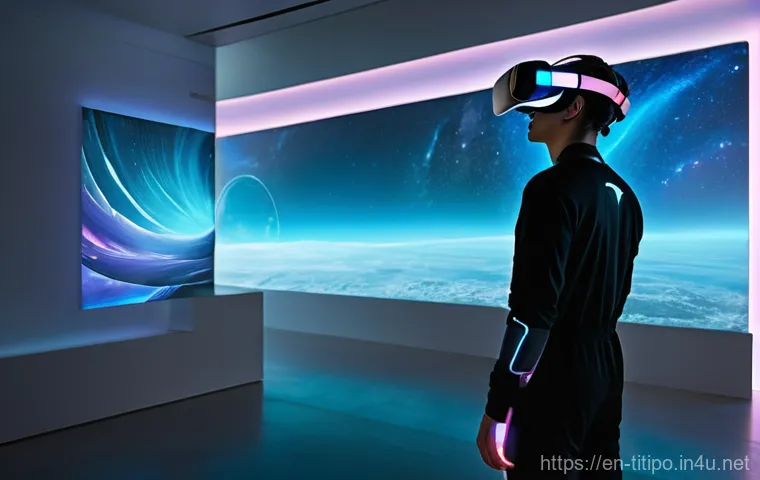
If AR is about enhancing our current world, then virtual reality, or VR, is about transporting us to entirely new ones. And while VR might still sound like something out of a futuristic movie, the reality (pun intended!) is that it’s becoming more and more approachable for independent creators. I’ve had the chance to step into some incredible VR experiences, and the sense of presence and immersion is unlike anything else. Imagine creating your own interactive story where your audience can literally walk through the environments you’ve designed, interact with characters, and influence the narrative. While building complex VR games requires specialized skills, there are emerging platforms and tools that simplify the process for artists and storytellers. Think about creating 3D art directly in VR using tools like Tilt Brush, or designing simple interactive scenes in game engines like Unity or Unreal Engine, which now have more user-friendly interfaces. The barriers to entry are definitely lowering, and the sheer joy of seeing someone else explore a world you’ve meticulously crafted in VR is incredibly rewarding. It’s not just about entertainment; VR offers incredible potential for educational content, virtual tours, and even therapeutic experiences. The future of interactive storytelling is definitely leaning into these immersive frontiers, and I’m so excited to see what we’ll all create.
Monetizing Your Digital Creations: Turn Passion into Profit
Diversifying Your Income Streams: Beyond AdSense
Let’s be real: creating awesome digital content is incredibly rewarding in itself, but being able to turn that passion into a sustainable income? That’s the dream, right? And it’s more achievable than ever before! When I first started, I thought AdSense on a blog or YouTube was the only way, but I quickly realized there’s a whole universe of monetization strategies out there. Diversification is absolutely key. I’ve personally explored selling digital products like custom brushes, templates, or even e-books on platforms like Etsy or Gumroad. These are assets you create once and can sell repeatedly, generating passive income. Another fantastic avenue is offering commissions or custom artwork. If you have a specific artistic style, people will pay good money for personalized pieces. Consider Patreon for building a community of loyal supporters who contribute monthly for exclusive content or behind-the-scenes access. And of course, sponsored content, where brands pay you to integrate their products or services into your creations, can be incredibly lucrative once you’ve built an audience. The beauty of digital creation is that your products aren’t constrained by physical inventory, making the profit margins potentially much higher. Don’t put all your eggs in one basket; explore what resonates with your audience and your creative output.
Building Your Brand: The Key to Long-Term Success
Making a quick buck here and there is nice, but if you’re serious about turning your digital creation passion into a long-term career, building a strong, recognizable brand is absolutely non-negotiable. This isn’t just about having a cool logo; it’s about establishing your unique voice, your aesthetic, and what you consistently deliver to your audience. I’ve spent years refining my own brand, understanding what my followers expect from me and how I can always over-deliver. It’s about consistency across all your platforms – your blog, your social media, your portfolio. What’s your niche? What makes you stand out from the millions of other talented creators out there? For me, it’s about sharing actionable tips with a friendly, personal touch. Think about the quality of your content, your engagement with your community, and the overall professionalism you present. Your brand is your reputation, and in the digital world, trust is everything. A strong brand not only attracts more opportunities, like collaborations or sponsorships, but it also fosters a loyal community that will support you through thick and thin. It’s an ongoing process of self-reflection and connection, but trust me, the effort you put into building your brand will pay dividends for years to come.
| Monetization Strategy | Description | Best For | Personal Tip |
|---|---|---|---|
| Digital Products | Selling assets like templates, presets, e-books, or custom brushes. | Artists, photographers, designers, educators. | Focus on niche needs; create high-quality, reusable assets. |
| Commissions/Freelance | Offering custom artwork, illustrations, designs, or writing services. | Illustrators, graphic designers, writers, animators. | Build a strong portfolio and clear pricing structure. |
| Patreon/Subscriptions | Memberships for exclusive content, behind-the-scenes access, or tutorials. | Any creator with a dedicated following. | Offer tiered rewards; engage regularly with your patrons. |
| Ad Revenue | Earnings from ads on blogs, YouTube videos, or podcasts. | Bloggers, YouTubers, podcasters. | Requires consistent content and a significant audience base. |
| Affiliate Marketing | Promoting products/services and earning a commission on sales. | Reviewers, educators, content curators. | Recommend only products you genuinely use and trust. |
Cultivating Your Digital Creator Community
Connecting with Fellow Creators and Your Audience
One of the absolute greatest joys of being a digital creator, in my humble opinion, is the community. It’s easy to feel isolated when you’re staring at a screen for hours, bringing your ideas to life. But the truth is, you’re never truly alone in this space! I’ve found some of my closest friends and most valuable collaborators through online creator groups, social media interactions, and even just by leaving supportive comments on other artists’ work. Actively engaging with your audience isn’t just good for your growth; it’s incredibly fulfilling. Responding to comments, asking questions, and truly listening to what people have to say makes them feel valued and builds a deeper connection. It’s not just about broadcasting your work; it’s about having a conversation. I love hosting Q&A sessions or simply sharing snippets of my day, inviting people into my world. That reciprocal relationship is what transforms casual followers into a loyal community. When you share your journey, your struggles, and your triumphs, people resonate with that authenticity. We’re all on this creative path together, and building those bridges is what makes the whole experience so much richer.
The Power of Feedback and Collaboration
If you want to truly grow as a creator, you absolutely have to embrace feedback – and yes, sometimes that means hearing things that are tough. I’ve had moments where I thought a piece of art was fantastic, only to receive constructive criticism that, while initially a little stinging, ultimately helped me see its flaws and improve. It’s not about taking it personally; it’s about understanding that fresh eyes can spot things you, as the creator, might be too close to see. Actively seeking out critiques from trusted peers or even your audience can be incredibly valuable. But beyond feedback, collaboration has been a monumental force in my creative evolution. Partnering with other creators, even if it’s just for a small project, exposes you to different techniques, perspectives, and workflows. I’ve learned so much from brainstorming with others, pushing the boundaries of my comfort zone, and combining our unique talents to create something bigger than what I could have done alone. It expands your network, introduces you to new audiences, and frankly, it’s just a lot more fun! Don’t be afraid to reach out to people whose work you admire; you never know what amazing things you can create together.
Staying Ahead: Future Trends in Digital Storytelling
The Metaverse and Beyond: What’s Next?
If there’s one constant in the digital world, it’s change! Just when you think you’ve got a handle on the current trends, something new is on the horizon, ready to redefine how we create and consume content. And right now, everyone’s talking about the metaverse. It’s still a bit abstract for many, myself included at times, but the core idea of persistent, interconnected virtual worlds where we can work, play, and create is undeniably exciting. Imagine not just designing a character, but building an entire virtual environment for them to inhabit, where users can interact with your art in real-time. We’re seeing early iterations with platforms like Roblox and Decentraland, and I truly believe this is just the tip of the iceberg. As creators, this means thinking beyond flat screens and into three-dimensional, interactive spaces. It’s a huge learning curve, no doubt, but also an incredible opportunity to be an early pioneer in a new frontier of storytelling. The tools are evolving rapidly, making it easier for more people to jump in and start experimenting. It’s less about waiting for the future and more about actively shaping it with our creativity right now, pushing boundaries and exploring what’s truly possible.
Ethical Considerations in a Rapidly Evolving Landscape
As much as I love celebrating the boundless possibilities of digital creation, it’s also crucial to have conversations about the ethical implications that come with such rapid technological advancement. Especially with the rise of AI, questions around intellectual property, deepfakes, and the potential for misinformation are becoming more pressing than ever. As creators, we have a responsibility to use these powerful tools wisely and ethically. I’ve often thought about the fine line between AI assistance and outright AI generation, and how to properly credit or disclose the use of AI in my work. Copyright laws are struggling to keep up, leaving many creators in a grey area. Then there’s the impact of immersive technologies like AR and VR on privacy and mental well-being. It’s not about stifling innovation, but about fostering a conscious approach to creation. We need to be part of the dialogue, advocate for fair practices, and educate ourselves and our communities on these complex issues. Ultimately, our goal is to create positive, inspiring, and engaging content, and doing that ethically ensures a healthier, more trustworthy digital ecosystem for everyone. It’s a journey of continuous learning, but an essential one for all of us shaping the digital world.
Wrapping Up Our Creative Journey
Whew! What a ride it’s been, diving deep into the exciting, sometimes overwhelming, but always inspiring world of digital creation. I truly hope this shared journey has sparked some new ideas, banished a few fears, and given you the confidence to truly lean into your unique artistic vision. Remember, every single one of us started somewhere, often feeling a bit wobbly, but it’s that willingness to explore, to mess up, and to keep pushing forward that defines a true creator. This isn’t just about the tools or the trends; it’s about the heart you pour into your work and the connections you build along the way. Keep creating, keep sharing, and most importantly, keep enjoying every single step of your amazing digital adventure. The world is truly waiting for your next masterpiece!
Useful Insights for Your Creative Path
1. Start Small and Embrace Imperfection: Don’t wait for the “perfect” idea or the most expensive software to begin. Grab a free tool, sketch on your phone, or just play around. The journey of a thousand miles begins with a single, often imperfect, stroke. Every digital masterpiece started as a simple concept, so give yourself permission to experiment and learn without the pressure of perfection. The magic truly happens when you just start creating.
2. Find Your Niche and Own It: In a vast digital landscape, trying to appeal to everyone means appealing to no one. Discover what truly ignites your passion, the unique style or subject matter that sets your heart on fire. Then, consistently create content around that niche. This not only helps you attract a dedicated audience but also allows you to hone your skills and become a recognized authority in your chosen field. Your unique voice is your superpower!
3. Leverage AI as Your Co-Pilot, Not a Replacement: AI isn’t here to steal your creativity; it’s here to supercharge it. Think of generative AI as an incredibly powerful brainstorming partner or an efficient assistant for tedious tasks. Experiment with AI tools for ideation, background generation, or even basic editing to free up more of your precious time for the truly human-centric, artistic decisions. Mastering these tools ensures you stay ahead in a competitive market.
4. Build Community, Not Just an Audience: Your followers are more than just numbers; they’re potential collaborators, cheerleaders, and friends. Actively engage with them, ask questions, respond to comments, and seek feedback. Participate in other creators’ communities. Building genuine connections fosters loyalty, opens doors to collaborations, and provides invaluable support and motivation. It transforms casual viewers into a loyal community that sticks with you through thick and thin.
5. Diversify Your Income Streams Intelligently: While AdSense is a good starting point, don’t put all your eggs in one basket. Explore selling digital products like custom brushes or templates, offering commissions, building a Patreon community, or even engaging in affiliate marketing for products you genuinely love. A diversified monetization strategy builds resilience and allows you to turn your passion into a truly sustainable career.
Key Takeaways for Digital Creators
Ultimately, the world of digital creation is a dynamic and thrilling space, constantly evolving with new tools and trends. The key to thriving isn’t just about mastering a single software or technique, but about embracing a mindset of continuous learning, fearless experimentation, and genuine connection. Remember to always prioritize your unique creative voice, build a supportive community around your work, and approach challenges with a curious and open mind. By blending your human ingenuity with the incredible power of technology, you’re not just creating art; you’re shaping the future of storytelling. Keep that spark alive, and your journey will be nothing short of extraordinary!
Frequently Asked Questions (FAQ) 📖
Q: How can I, or my kids, actually get started with digital creation, especially if we’re beginners?
A: You know, this is such a fantastic question, and it’s something I hear all the time! The beauty of digital creation today is how incredibly accessible it’s become.
Gone are the days when you needed super-expensive software or a degree in graphic design. If you or your little ones are just dipping your toes in, I’d honestly recommend starting with something fun and visual.
Think about those character-driven projects, much like bringing a character like Titipo to life. You can try free or low-cost apps designed for kids that let them animate simple figures, design digital stickers, or even create short stop-motion videos.
I’ve personally seen how just playing around with these intuitive interfaces can spark an incredible burst of imagination. Many platforms now offer drag-and-drop functionalities or guided tutorials that make the learning curve almost non-existent.
The key is to just jump in and start experimenting – don’t worry about perfection, just enjoy the process of bringing an idea from your head onto the screen!
Q: What kind of digital creation tools are out there right now that are easy to use and impactful?
A: Oh, where do I even begin?! The landscape of digital tools is just exploding right now, and it’s so exciting. For beginners, especially with kids, you’re looking for things that are visually engaging and not too overwhelming.
For simple animation and storytelling, apps like Scratch Jr. or Toon Boom Storyboard Pro (they have simpler versions too!) are brilliant. If you’re into short-form video, which is huge these days, you can literally start with your smartphone and free editing apps like CapCut or InShot.
They make adding music, effects, and text so incredibly straightforward. And don’t even get me started on the AI-powered tools popping up! While some are advanced, there are user-friendly platforms that can help you generate images or even short stories with just a few prompts.
I recently played around with an AI art generator, and while it takes a little getting used to, the results were mind-blowing. For immersive experiences, basic AR apps on tablets can let you place digital objects in your real-world environment – super cool for exploring!
The best advice? Pick one that sounds fun, watch a quick YouTube tutorial, and just start creating! You’ll be amazed at what you can produce.
Q: Beyond just making cool stuff, what are the real benefits of engaging in digital creation, especially for kids?
A: This is probably the most important question, because digital creation is so much more than just a fun pastime. For kids, it’s a powerful developmental tool.
When they’re designing a character or animating a story, they’re not just playing; they’re actively developing crucial digital literacy skills that are absolutely essential in our modern world.
They learn problem-solving – “How do I make Titipo move across the screen?” – and critical thinking. They also gain a massive boost in confidence when they see their ideas come to life.
I’ve witnessed firsthand the pride a child feels when they share something they’ve created from scratch. It nurtures their imagination in a way that passive consumption of media simply can’t.
Plus, it teaches them to be active participants in the digital world, not just consumers. It’s about empowering them to be storytellers, innovators, and thinkers, giving them a voice in a digital age.
Honestly, it’s one of the best investments you can make in their future skills and self-belief.