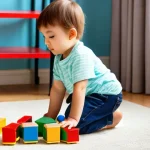
As a parent myself, I know the struggle is real when it comes to finding engaging content that actually helps our little ones learn and grow. We’ve all been there, watching our kids captivated by a screen, wondering if it’s truly beneficial or just another distraction.

But what if I told you that those adorable, chugging trains, especially from shows like Titipo, are more than just entertainment? I’ve personally seen how a well-loved animated series can spark incredible curiosity and lay the groundwork for essential skills, turning screen time into genuine learning opportunities.
From boosting vocabulary to nurturing early problem-solving, the right educational materials can make a world of difference. Let’s dive into how Titipo-related educational resources can supercharge your child’s development, making learning an exciting adventure for them!
Sparking Curiosity and Imagination
The Power of Animated Storytelling
Oh, the magic of a well-told story! As a parent, I’ve often found myself absolutely amazed at how a captivating animated series can light up a child’s mind, transforming a simple viewing into a vibrant springboard for imagination.
It’s more than just sitting them in front of the TV; it’s about witnessing that spark, that moment when their eyes widen as they absorb new worlds and characters.
I remember vividly watching my own little one mimic the sounds of trains, or even start narrating their own adventures with toy vehicles, all inspired by the friendly faces and engaging scenarios they’d seen on screen.
This isn’t just passive entertainment; it’s a fundamental step in developing narrative comprehension and imaginative play. When children watch characters overcome challenges, make new friends, or explore different environments, they’re not just being entertained, they’re internalizing story structures, character development, and problem-solving in action.
It’s a truly beautiful thing to witness, and honestly, a relief to know that screen time can be so incredibly enriching when it’s thoughtfully chosen.
I’ve personally seen it bridge gaps in their understanding of the world, offering them a safe space to explore and question.
Encouraging Creative Play Beyond the Screen
The real magic, for me, happens when the stories jump off the screen and into our living room. It’s truly incredible how an animated world can fuel hours of imaginative play.
I’ve seen firsthand how my child, after watching their favorite characters navigate a tricky situation, will then use their own toy trains and blocks to recreate similar scenarios, inventing new outcomes or even entirely new stories.
This isn’t just cute; it’s profoundly important for their cognitive development. They’re practicing problem-solving, developing social scripts, and even working through emotions in a safe, self-directed way.
We often talk about the characters, asking “What do you think [character name] would do next?” or “How could they solve this problem?” It encourages them to think critically and express themselves.
Sometimes, we’ll even build a “train station” out of couch cushions and blankets, complete with tickets and announcements. These moments are gold, fostering creativity and extending the learning far beyond the twenty-minute episode.
It truly transforms screen time from a solo activity into a family adventure, enriching our interactions and strengthening bonds.
Cultivating Essential Early Learning Skills
Vocabulary Expansion Through Engaging Narratives
One of the most delightful surprises I’ve encountered as a parent navigating children’s media is the sheer power it holds for vocabulary expansion. It’s not just about learning “train” or “station,” though those are certainly covered!
It’s about encountering a broader range of words presented within a meaningful context. For instance, watching characters cooperate might introduce words like “assist,” “collaborate,” or “share,” which are then reinforced by the visual action.
I’ve personally noticed my own child picking up nuanced verbs and adjectives that I hadn’t explicitly taught them, simply because they were embedded in an engaging story.
The repetitive nature of children’s shows, where certain themes and concepts reappear, also acts as a fantastic reinforcement mechanism. It’s like a stealthy language lesson, making learning new words feel completely natural and fun, rather than a chore.
This gentle exposure to a rich vocabulary sets a strong foundation for future reading and communication skills, which is something every parent hopes for their little ones.
Boosting Problem-Solving and Critical Thinking
Let’s be honest, watching a character face a dilemma and figure out a solution is incredibly satisfying, not just for us, but especially for our kids.
What I’ve observed is that these narrative challenges aren’t just plot devices; they’re opportunities for our children to engage in early problem-solving.
When a train gets stuck, or a delivery needs a creative solution, my child is often right there, murmuring suggestions, trying to anticipate how the characters will resolve the issue.
We’ve often paused episodes to ask, “What do you think they should do now?” or “How could they fix this?” This isn’t just a fun interaction; it’s actively encouraging critical thinking.
They learn about cause and effect, basic mechanics, and the importance of perseverance. These are such fundamental life skills, and seeing them developed through the adventures of friendly characters is, in my opinion, one of the most effective ways to introduce them.
It’s truly amazing how they absorb these concepts, often without even realizing they’re learning!
Numbers, Shapes, and Colors: Learning on the Go
Beyond the obvious lessons in friendship and cooperation, I’ve come to appreciate how seamlessly early academic concepts like numbers, shapes, and colors are woven into these animated worlds.
It’s not always overt; sometimes it’s as subtle as counting the cars in a train or identifying the circular wheels. I’ve often played a game with my little one, pointing out the different shapes we see in the scenery or counting objects along with the characters.
This kind of contextual learning is incredibly powerful because it doesn’t feel like a lesson at all – it feels like part of the adventure. For example, a character might be loading cargo of different colors, providing a natural opportunity to discuss “red” or “blue” in a practical scenario.
These subtle exposures contribute significantly to a child’s foundational understanding of these concepts, making them familiar and less intimidating when they encounter them in a more formal learning setting.
It’s truly impressive how much information our kids absorb when they are engaged and having fun.
Nurturing Emotional Intelligence and Social Graces
Understanding Feelings and Empathy
One of the most profound benefits I’ve observed from my child engaging with well-crafted animated series is the significant boost in their emotional intelligence and capacity for empathy.
These shows often present relatable scenarios where characters experience a whole spectrum of emotions – joy, frustration, sadness, excitement. What truly resonates with me, as a parent, is how these programs usually handle conflict and resolution, often highlighting the importance of understanding others’ feelings.
I’ve found myself having conversations with my child about why a character might be sad or angry, and how another character’s actions affected them. This opens up invaluable dialogue about emotional responses and the impact our behavior has on others.
It’s like a gentle masterclass in social cues and emotional literacy, giving children the tools to better understand their own feelings and those of their peers.
It’s certainly helped my little one express their own emotions more clearly and show more consideration for others, which is a huge win in my book.
Lessons in Friendship and Cooperation
If there’s one thing these kinds of shows consistently nail, it’s the beautiful portrayal of friendship and the absolute necessity of cooperation. I mean, think about it: trains working together to pull a heavy load, or characters collaborating to overcome a tricky obstacle.
These aren’t just cute plot points; they’re vital lessons in social dynamics. I’ve seen my child internalize these lessons, often replicating them in their own play with friends.
They’ll talk about “helping each other” or “working as a team” in ways that directly echo what they’ve seen on screen. The challenges the characters face together, and how they learn to communicate and support one another, offer a wonderful blueprint for healthy social interactions.
It teaches them that sometimes, we all need a little help, and that working together often leads to the best outcomes. It really warms my heart to see these important values being reinforced in such an accessible and engaging way, setting the stage for more harmonious relationships down the line.
Transforming Screen Time into Meaningful Engagement
Active Viewing: Engaging with Your Child’s World
Let’s be real, sometimes screen time feels like a necessary evil, a moment of quiet for parents amidst the chaos. But I’ve personally discovered that it doesn’t have to be a passive activity.
In fact, with the right approach, it can be an incredibly engaging and interactive experience that truly enhances learning. Instead of just letting my child zone out, I make an effort to sit with them for at least part of the show, asking questions and pointing things out.
“Look, what color is that train?” or “Oh no, what do you think will happen next?” These simple interactions transform passive viewing into active engagement, making them think and participate.
It’s amazing how a little bit of parental involvement can elevate the entire experience. It also gives us common ground for conversation later, extending the learning and fun far beyond the episode’s runtime.
We’ve even started making up our own little songs about the characters, which is just pure joy.
Practical Activities Inspired by Favorite Characters
The best kind of screen time, in my opinion, is the kind that inspires real-world exploration and activity. I’ve found that my child’s favorite characters and their adventures often serve as fantastic catalysts for hands-on play and learning.
For example, after watching an episode about a character going to a new place, we might get out a map and try to find similar places, or talk about different modes of transport.

If the characters are learning about colors, we might go on a “color hunt” around the house. These inspired activities aren’t just fun; they bridge the gap between the fictional world and our everyday reality, solidifying concepts and encouraging creativity.
I’ve even seen parents organize “train station” themed playdates, where kids can dress up and act out scenes, fostering social skills and imaginative role-play.
It truly makes the educational aspect of the shows tangible and exciting, proving that learning doesn’t just happen in a classroom or from a textbook.
Building Bridges to Real-World Exploration
Exploring the World of Transportation and Beyond
One of the most captivating aspects of these beloved animated series, particularly those featuring vehicles, is their incredible ability to open up a child’s world to the mechanics and marvels of transportation.
I’ve noticed a significant uptick in my child’s interest in trains, cars, and even planes after watching their favorite characters in action. It’s not just about naming the vehicles; it’s about understanding their purpose, how they move, and where they might go.
We’ve taken this enthusiasm and run with it, visiting local train stations, observing different types of vehicles on the road, and even reading books about how things work.
This kind of inspired learning goes so far beyond the screen, sparking a genuine curiosity about the world around them. It’s truly a fantastic foundation for understanding basic engineering, geography, and even community roles.
I’ve even seen how it makes everyday errands, like a trip to the grocery store, an opportunity to point out different kinds of vehicles and discuss their functions.
Connecting Fictional Worlds to Everyday Life
It’s genuinely rewarding to see how the lessons and scenarios from animated stories seamlessly translate into my child’s understanding of their own world.
When a character shows perseverance in fixing a broken toy, my child might remember that lesson when facing a small challenge themselves. The themes of friendship, problem-solving, and community that are so central to these shows aren’t just abstract concepts; they become practical tools for navigating their own daily experiences.
I often find myself saying things like, “Remember how [character name] shared their toy? Maybe we could try that too.” This connection helps solidify moral lessons and social skills in a way that’s relatable and easy for them to grasp.
It really highlights how media, when thoughtfully chosen, can be a powerful mirror, reflecting and reinforcing the values we want to instill in our children, making their learning journeys feel connected and relevant.
The Surprising Benefits of Repetitive Viewing
Reinforcing Concepts Through Familiarity
Okay, I know what you might be thinking: “My kid watches the same episode over and over again!” And trust me, I’ve been there, humming the theme song in my sleep!
But what I’ve come to realize, and genuinely appreciate, is the incredible power of repetition in solidifying early learning concepts. When children watch a show multiple times, they’re not just zoning out; they’re actively reinforcing vocabulary, narrative sequences, and even subtle social cues.
Each viewing allows them to catch something new they might have missed, or to deepen their understanding of a particular lesson. It’s like reviewing flashcards, but way more fun!
I’ve noticed how my child picks up on more intricate details or more complex sentences with each repeat viewing. This familiarity builds confidence and strengthens their cognitive connections, making those valuable lessons stick much more effectively than a one-time exposure ever could.
It truly transforms what might seem like a mundane activity into a powerful learning tool.
A Comforting Routine for Growing Minds
Beyond the pure academic benefits, there’s a deeply comforting aspect to repetitive viewing that I’ve come to value immensely. In a world that often feels big and unpredictable to little ones, the familiarity of a beloved animated series can provide a wonderful sense of security and routine.
There’s a predictable structure, familiar characters, and known outcomes, all of which contribute to a feeling of safety and calm. I’ve personally used these shows as a transition tool, helping my child wind down before naptime or settle into a quiet activity after a busy morning.
The predictability is reassuring for their developing minds, allowing them to process emotions and relax in a gentle way. It’s not just about learning numbers or shapes; it’s about nurturing their emotional well-being by providing a reliable source of comfort and joy.
This often-overlooked benefit is, in my experience, just as crucial as any educational outcome.
Smart Strategies for Parent-Child Learning
Creating a Balanced Digital Diet
As parents, we’re constantly juggling so much, and finding the right balance for screen time can feel like a Herculean task. I’ve certainly wrestled with it myself, wondering if I’m doing enough, or too much.
But what I’ve learned is that it’s not about complete avoidance, but about creating a balanced and intentional digital diet. It’s about being mindful of *what* they’re watching and *how* they’re engaging with it.
I’ve found that setting clear limits, choosing high-quality educational content, and pairing screen time with active, hands-on play is key. For example, a 30-minute episode might be followed by an hour of building blocks or outdoor play.
This approach ensures that screen time is one piece of a much larger, richer developmental pie, rather than becoming the main course. It’s a continuous adjustment, but the goal is always to integrate digital learning into a broader tapestry of experiences that nourish all aspects of their growth.
Leveraging Interests for Hands-On Discovery
This is where the real fun begins for me! My child’s deep interest in certain animated characters and their worlds has become a fantastic springboard for hands-on, real-world discovery.
I mean, why not lean into what they already love? If they’re fascinated by trains, we’ll read books about different types of trains, build tracks with wooden sets, or even visit a local railway museum.
These experiences aren’t just entertaining; they’re incredibly educational, turning their screen-inspired curiosity into tangible learning opportunities.
We might even cook something that a character ate in a show, practicing measurement and following instructions. It’s about taking that initial spark of interest and fanning it into a roaring fire of exploration across various mediums and activities.
This strategy makes learning feel organic and deeply personal, tailored to their individual passions. It’s truly incredible to witness how a simple cartoon can become the gateway to a whole universe of discovery.
| Developmental Area | How Animated Series Can Help | Real-World Application/Activity |
|---|---|---|
| Language & Vocabulary | Exposure to new words in context, repetition of key phrases, narrative comprehension. | Discussing character actions, naming objects seen, storytelling using new words. |
| Cognitive Skills | Problem-solving scenarios, understanding cause and effect, recognizing patterns and sequences. | “What if” questions, building with blocks to solve a problem, sorting toys by color/shape. |
| Emotional Intelligence | Characters expressing emotions, lessons in empathy, conflict resolution. | Talking about feelings, role-playing social scenarios, practicing kindness. |
| Social Skills | Demonstrating cooperation, friendship, sharing, and teamwork. | Sharing toys, playing cooperatively with peers, helping with household chores. |
| Fine & Gross Motor Skills | Inspiration for drawing, building, and physical play like mimicking movements. | Drawing characters, building train tracks, running around like a train. |
| Imagination & Creativity | Exposure to diverse worlds and characters, sparking imaginative play. | Creating original stories, imaginative role-play, building fantasy structures. |
Wrapping Things Up
As we wrap up our journey through the enchanting world of animated storytelling, I truly hope you’ve felt the same sense of wonder and appreciation that I have for its profound impact on our children. It’s been incredible to reflect on how these thoughtfully crafted series do so much more than just entertain; they spark curiosity, foster imagination, and lay crucial foundations for essential life skills. What a relief, right? Knowing that those moments in front of the screen can be so incredibly enriching when approached with a little intention and engagement. It’s all about seeing these shows not just as a pastime, but as vibrant springboards for growth, learning, and strengthening those precious parent-child bonds. Here’s to making every viewing a discovery!
Handy Tips You’ll Want to Keep
1. Curate Your Child’s Digital Diet with Purpose. Seriously, this is key! Don’t just let them watch anything and everything. Take a few extra minutes to research shows that align with your family’s values and offer genuine educational value. I personally spend time checking reviews from other parents and looking at the show’s creators to understand their philosophy. Look for content that actively promotes problem-solving, empathy, and constructive communication. It’s like picking out healthy snacks for their minds! Think about what skills you want your child to develop, whether it’s vocabulary, emotional regulation, or creative thinking, and then seek out shows that naturally weave these elements into their narratives. It’s truly amazing how a little intentionality here can transform screen time from a time-filler into a powerful developmental tool, making you feel much more confident about their viewing habits.
2. Engage Actively: Make It a Shared Experience. This is where the magic truly happens, in my humble opinion. Instead of simply handing over a device and walking away, try to join your child for at least part of their screen time. Ask open-ended questions like, “What do you think that character is feeling?” or “How do you think they’ll solve this problem?” This isn’t just about comprehension; it’s about encouraging critical thinking and emotional literacy. I’ve found these conversations to be invaluable for understanding my child’s perspective and for reinforcing the lessons learned in the show. It also transforms screen time into a bonding opportunity, creating shared experiences and inside jokes that you’ll both cherish. You’ll be amazed at the insights your little one will share when given the chance to articulate their thoughts about the on-screen world. It makes such a difference.
3. Extend the Learning: Bring Stories to Life Off-Screen. The real power of animated series often lies in how they inspire play and exploration long after the credits roll. Don’t let the adventure end when the episode does! If your child loves trains, maybe build a train track with them, read books about different types of engines, or even visit a local railway museum. If a character learns about colors, go on a “color hunt” around your neighborhood. These real-world applications cement the concepts learned on screen, turning abstract ideas into tangible experiences. I’ve personally seen how a simple animated plot can spark hours of imaginative play, fostering creativity and problem-solving skills in ways no worksheet ever could. It’s about creating those bridges between the fictional world and everyday life, making learning feel like a continuous, joyful journey. This approach ensures that screen time is a catalyst, not a conclusion, for discovery.
4. Strive for Balance: Integrate Screen Time into a Richer Day. As much as we love these educational shows, remember that they are just one piece of a much larger, healthier developmental puzzle. It’s vital to strike a balance by ensuring your child also has ample opportunities for physical play, social interaction with peers, creative arts, and unstructured outdoor exploration. Think of screen time as a flavor in a diverse meal, not the main course. I typically set clear time limits and use a “first-then” approach: “First, we watch one episode, then we go outside to play.” This teaches them about moderation and helps them transition smoothly between activities. It’s a continuous juggling act for us parents, but prioritizing a varied routine ensures holistic growth and prevents any one activity from dominating their day. A well-rounded digital diet is about intentional choices, ensuring technology enhances, rather than replaces, other vital experiences.
5. Embrace Repetitive Viewing: It’s a Learning Loop, Not Just a Loop. Okay, I know, sometimes hearing that same theme song for the hundredth time can test anyone’s patience! But trust me on this: repetitive viewing is incredibly beneficial for young, developing minds. Each time your child watches a favorite episode, they’re not just zoning out; they’re reinforcing vocabulary, understanding narrative sequences more deeply, and cementing those crucial social-emotional lessons. They catch nuances they missed before, solidify character motivations, and strengthen their cognitive connections. It’s like re-reading a favorite book – each time reveals something new or reinforces a cherished detail. For many children, this familiarity also provides immense comfort and a sense of predictability in a big, sometimes overwhelming world. So, next time they ask to watch it “just one more time,” try to reframe it in your mind as a valuable learning opportunity rather than a parental endurance test. Their brains are busy building pathways!
Key Takeaways
Ultimately, thoughtful engagement with high-quality animated storytelling can be a truly wonderful and enriching experience for children, serving as a powerful catalyst for imagination, empathy, and essential learning skills. By consciously curating content, actively participating in viewing, and extending the lessons into real-world play, parents can transform screen time into a dynamic and beneficial part of their child’s developmental journey. It’s about creating connections, fostering curiosity, and building a strong foundation for future learning, all while enjoying those precious moments together.
Frequently Asked Questions (FAQ) 📖
Q: How exactly does Titipo help with learning, beyond just being fun?
A: Oh, I totally get this! When my little one first got into Titipo, I wondered the same thing. But honestly, I’ve been pleasantly surprised by how much more it offers than just entertainment.
For starters, the characters, especially Titipo himself, have these fantastic personalities that teach kids about friendship, teamwork, and even handling little disagreements.
My daughter, for example, started using words like ‘cooperate’ after watching an episode where the trains worked together. You’ll also notice a huge boost in vocabulary.
They introduce so many new words related to trains, stations, and even emotions, which really helps broaden their language skills. Plus, the storylines often involve simple problem-solving scenarios.
It’s not always super obvious, but my son often tries to ‘fix’ things around the house after watching Titipo solve a train track dilemma, showing he’s actually absorbing those early critical thinking skills.
It’s truly amazing to see how a seemingly simple show can lay such strong foundations!
Q: My child is super attached to screen time; how can I ensure Titipo is truly beneficial and not just another distraction?
A: This is a question I hear all the time from other parents, and believe me, I’ve navigated this myself! The key, I’ve found, is active engagement. Instead of just letting the show play in the background, try sitting with your child and asking questions.
‘What do you think Titipo should do next?’ or ‘Why do you think Diesel is sad?’ This turns passive viewing into an interactive experience. Another tip I swear by is setting a consistent schedule.
We have a ‘Titipo Time’ slot, and sticking to it helps manage expectations and makes it feel like a special treat rather than an endless option. Also, after an episode, try to connect what they saw to real life.
We often talk about how our car is like a train on tracks, or we might even draw our own train stations. It transforms screen time into a springboard for imaginative play and conversation, which is where the real magic happens for learning.
It’s all about making those connections!
Q: Are there specific resources or activities I can use alongside Titipo to enhance my child’s learning?
A: Absolutely! This is where the learning really takes off, and honestly, it’s my favorite part. Beyond just watching the show, there’s a whole world of Titipo-inspired fun you can dive into.
We’ve personally found that simple train sets, even just a basic wooden one, become incredible tools for imaginative play. My kids will recreate scenes from the show or invent their own train adventures, which is brilliant for storytelling and spatial reasoning.
Printables are another fantastic resource – you can often find coloring pages, mazes, or ‘spot the difference’ games featuring the characters online. I’ve even made simple flashcards with train names and sounds, which was a huge hit for boosting recognition.
And don’t forget books! There are often storybooks based on popular shows, and reading those together reinforces vocabulary and narrative skills. The best part?
These activities extend the learning and joy of Titipo long after the screen goes off, turning a favorite show into a full-blown educational experience.
It’s all about bringing the lessons from the screen into their everyday world!