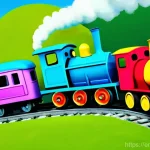
Ever notice how kids’ shows these days aren’t just from our own backyard? It’s incredible to see how animations from around the globe, like the charming little train Titipo, are quietly becoming cultural ambassadors right here in our homes.
Through engaging storytelling and vibrant characters, our children are getting a delightful peek into different cultures and ways of life, often without us even realizing the depth of the learning happening.
This isn’t just screen time; it’s a unique form of gentle cultural exchange that broadens horizons and sparks curiosity in the most delightful ways. Want to know more about this fascinating trend and how to fully embrace it?
Let’s dive in deeper below.
Bringing the World Home: How Animated Series Are Our Kids’ First Passports
It’s genuinely amazing, isn’t it? I’ve noticed a profound shift in what my own children are watching these days, and it’s so much more than just entertainment. What used to be a screen filled mostly with local creations now dances with characters and stories from every corner of the globe. This isn’t just about diversification of content; it’s about a quiet, powerful cultural exchange happening right in our living rooms. Think about it: a child in New York can be just as captivated by a bustling train from Korea like Titipo as they are by a classic American cartoon. It broadens their tiny worlds in ways we might not fully grasp in the moment. I remember feeling a similar wonder as a kid discovering Japanese animation for the first time, but today’s kids have an even more immediate and diverse global library at their fingertips. This exposure isn’t just fleeting; it lays down subtle pathways in their young minds, paving the way for greater understanding and appreciation of people and places far from home. It’s a wonderful, organic form of education that doesn’t feel like education at all.
More Than Just Pretty Pictures
When we talk about kids’ shows, we often focus on their vibrant colors, catchy tunes, and engaging characters. And while those elements are certainly crucial for capturing young attention, what I’ve personally come to appreciate is the depth of information and perspective embedded within these global animations. It’s not just pretty pictures; it’s a window into different societal norms, family structures, foods, traditions, and even emotional expressions. Take a show originating from a collectivist culture, for instance; you might see a stronger emphasis on community and shared responsibility, subtly teaching children about different values without ever explicitly stating them. This is where the magic truly happens. My kids, for example, have picked up little phrases or manners from foreign shows that are different from ours, leading to some truly fascinating conversations at the dinner table about “why they do that.” It enriches their vocabulary and conceptual understanding in ways I never anticipated, making them more adaptable and open-minded citizens of the world, even before they step onto a plane.
The Unseen Lessons in Global Storytelling
The beauty of global animation lies in its ability to transcend language and cultural barriers through universal themes, yet deliver them with a unique cultural flavor. These aren’t just stories; they’re lessons wrapped in vibrant packaging. Children learn about friendship, perseverance, and problem-solving, but they learn them through the lens of characters facing different circumstances and using different cultural approaches to overcome challenges. I’ve observed how certain narratives subtly introduce concepts like resourcefulness in environments distinct from our own, or the importance of respect for elders in a way that feels natural within the story’s context. It’s about empathy building, seeing the world through another’s eyes, and realizing that while our specific customs might differ, our fundamental human experiences often share common ground. It’s a gentle, almost invisible education that builds a foundation for a truly global mindset.
My Own Experience: Discovering Cultures One Episode at a Time
As a parent, I’m constantly looking for ways to enrich my children’s lives, and I honestly never expected to find such a powerful tool in children’s animation. But here we are. It started quite innocently, perhaps with a recommendation from a friend or a random discovery on a streaming service. Before I knew it, my living room was transformed into a bustling international hub. I remember one afternoon, my youngest was utterly absorbed by an episode of Titipo, this charming little train from Korea. He wasn’t just watching; he was actively engaging, imitating the sounds, and even trying to pronounce the characters’ names in a way that truly surprised me. It wasn’t about the language barrier; it was about the universal appeal of a friendly, determined train and his adventures. This wasn’t just passive viewing; it sparked genuine curiosity. He started asking about trains in different countries, about what people in Korea eat, and what their houses look like. It opened up a dialogue that I don’t think would have happened otherwise, purely through the engaging power of animation.
From Seoul to Our Couch: The Titipo Effect
The “Titipo Effect” is real, at least in my household. What started as just another cartoon quickly became a gateway to understanding a sliver of Korean culture. My son isn’t just watching Titipo and his friends; he’s internalizing their interactions, their problem-solving approaches, and the subtle cultural nuances embedded in the storytelling. For instance, he picked up on the politeness and respect often shown between characters, which led to a wonderful discussion about manners that felt organic and not like a lecture. I’ve personally found myself searching for more information about Korean trains, cities, and even food just to answer his endless questions. It’s fascinating how a simple animated series can ignite such a genuine desire for knowledge in a child, and honestly, in me too! This kind of authentic engagement is exactly what we hope for when exposing our children to new things, and it all started with a cheerful little train.
Beyond Language Barriers: Universal Themes
One of the most profound observations I’ve made is how these global animations manage to communicate complex ideas and emotions, often transcending explicit language. Even with subtitles or dubbed versions, the core messages resonate deeply because they tap into universal human experiences. Friendship, courage, facing fears, helping others – these are themes that know no geographical boundaries. I’ve seen my children laugh at the same slapstick humor, feel the same sadness during a poignant moment, and cheer for the same victories, regardless of the show’s origin. It truly highlights our shared humanity. This isn’t just about translating words; it’s about translating feelings and shared aspirations, proving that a compelling story, no matter where it comes from, can touch hearts and minds universally. This capacity for universal emotional connection is what makes global animation such an incredibly potent tool for cultural understanding.
Building Bridges: The Unexpected Empathy Boost
It’s easy to think of children’s shows as mere distractions, but from what I’ve witnessed, they’re powerful vehicles for empathy. When children see characters who look different, speak differently, or have different customs navigate their daily lives and solve problems, it naturally broadens their understanding of the world. They begin to internalize that “different” doesn’t mean “wrong,” it just means “another way.” This subtle conditioning is incredibly valuable in fostering a generation that is more accepting and understanding. I’ve noticed my kids are more curious about the origins of things, about why people might do things differently than we do, and less prone to judging based on superficial differences. This openness is a cornerstone of true global citizenship. It’s truly amazing to see how a simple animated story can cultivate such profound empathy and connection to people they might never meet in person.
Understanding Different Ways of Life
Through the vibrant worlds of international animation, children gain invaluable insights into diverse ways of life, often without even realizing they’re learning. They see different homes, different types of schools, different celebrations, and even different approaches to problem-solving. A show from, say, a Nordic country might emphasize resilience and connection to nature, while one from an Asian culture might highlight community harmony and respect for tradition. These aren’t explicitly taught lessons; they are woven into the fabric of the story, absorbed organically. My kids have pointed out differences in how families eat meals or how characters greet each other, leading to conversations about why cultures have different customs. It’s a fantastic way to introduce the concept of cultural relativism early on, helping them appreciate that there are many valid ways to live and interact in the world. It’s a foundational step towards reducing prejudice and fostering genuine understanding.
Sparking Curiosity and Acceptance
The ripple effect of exposing children to diverse animated content extends far beyond just entertainment; it actively sparks curiosity and fosters acceptance. When children encounter characters from different backgrounds, their natural inclination to ask “why?” kicks in. Why do they wear those clothes? Why do they celebrate that holiday? Why do they eat that food? These questions are golden opportunities for parents to delve deeper, to explain, and to introduce new concepts in an engaging way. This constant questioning and seeking understanding is the bedrock of acceptance. It moves children away from seeing differences as oddities and towards viewing them as fascinating aspects of a rich and varied world. I’ve seen firsthand how my children, after watching a show set in a different country, become genuinely excited to learn more about that place, perhaps even wanting to try a new food or learn a few words in a new language. This organic growth of curiosity and acceptance is incredibly rewarding to witness.
Navigating the New Global Playground: Tips for Parents
With such a rich tapestry of global animation available, it can feel a little overwhelming knowing where to start or how to make the most of it. But don’t fret! From my own experience, it’s less about finding the “perfect” show and more about fostering an environment of curiosity and engagement. This isn’t just about plopping your child in front of the screen; it’s about being an active participant in their discovery. Think of yourselves as co-explorers, venturing into new cultural landscapes together. I’ve found that even a few minutes of discussion after an episode can amplify the learning tenfold. Ask them what they noticed that was different, what they liked, or what questions they have. This not only deepens their understanding but also reinforces the idea that learning can be incredibly fun and comes from unexpected places.
Choosing Quality, Diverse Content
Selecting content for our children is a responsibility, and with so many options, it’s wise to be discerning. I personally look for shows that are not only entertaining but also have strong storytelling, positive messages, and high production quality. Streaming platforms have made it incredibly easy to find content from virtually anywhere, but a little research goes a long way. Reading reviews from other parents or child development experts can be really helpful. Look for shows that celebrate diversity, not just in terms of characters’ appearances, but in the experiences and perspectives they present. Sometimes, even older, critically acclaimed international animations can offer wonderful insights. It’s about building a diverse content library that mirrors the beautiful diversity of our actual world. Don’t be afraid to step outside the mainstream; some of the most charming and enriching shows I’ve found for my kids have come from unexpected sources.
Turning Screen Time into Learning Time
Let’s be honest, screen time is a part of modern childhood. But we, as parents, have the power to transform it from a passive activity into an active learning experience. My favorite trick? Engaging in post-episode discussions. “What did you see that was new?” “Did anything surprise you?” “What do you think that character was feeling?” These simple questions can open up incredible conversations. We also love to take our learning offline. If a show features a certain type of food, we might try to make it together. If it shows a particular landmark, we’ll look it up on a map or watch a travel video. This hands-on approach really solidifies the learning and makes the cultural experience tangible. It’s about bridging the gap between the animated world and the real world, showing our children that the vastness and wonder they see on screen are very much real and accessible.
To give you an idea of how these different shows can contribute, here’s a quick overview of potential cultural takeaways:
| Show Origin (Example) | Potential Cultural Focus | Common Themes Reinforced |
|---|---|---|
| South Korea (e.g., Titipo) | Community, modern infrastructure, politeness, friendship dynamics | Cooperation, problem-solving, respect for others |
| Japan (e.g., Studio Ghibli films) | Nature, traditional folklore, family bonds, perseverance | Environmental awareness, courage, coming-of-age journeys |
| Europe (e.g., France, UK) | Art, history, diverse family structures, imaginative play | Creativity, emotional expression, critical thinking |
| Latin America (e.g., Mexico) | Vibrant colors, music, strong family ties, celebration of life | Joy, resilience, cultural traditions, community spirit |
| Africa (e.g., diverse productions) | Oral storytelling, local myths, community, resourcefulness | Ingenuity, cultural heritage, adaptability, belonging |
The Ripple Effect: How Animated Worlds Prepare Kids for Our Global Future
As our world becomes increasingly interconnected, preparing our children to navigate a diverse global landscape is more important than ever. And honestly, I believe that exposure to international animation is playing a quiet but significant role in this preparation. It’s like a gentle, ongoing primer for what they’ll encounter in adulthood – different perspectives, varying communication styles, and a multitude of cultural norms. This isn’t about teaching specific facts about a country; it’s about cultivating an open heart and a curious mind, traits that are invaluable in any global interaction. My hope is that by seeing these diverse animated worlds, my children will grow up with an innate understanding that variety is not just the spice of life, but an essential component of a peaceful and prosperous global society. It’s a small step, but a meaningful one, towards shaping a generation that is truly globally competent and empathetic.
Fostering Global Citizenship from a Young Age
Global citizenship isn’t a concept typically taught in preschool, but through international animation, its seeds are being planted early. When children regularly engage with stories and characters from different parts of the world, they begin to develop a sense of belonging to a larger human family. They realize that while their immediate community is important, there’s a vast and fascinating world beyond it, filled with people who, despite differences, share common hopes and dreams. This foundational understanding is crucial for fostering a generation that is not only tolerant but genuinely appreciative of global diversity. It’s about moving beyond mere acceptance to active engagement and a desire to understand and contribute positively to the wider world. These animated encounters lay the groundwork for a more inclusive and harmonious future, one interaction at a time.
Developing Cross-Cultural Communication Skills
You might wonder how watching a cartoon can teach communication skills, but I’ve observed subtle yet powerful ways it does. Children learn to interpret non-verbal cues, to understand humor that might be presented differently, and to grasp narrative structures that vary from their own cultural norms. Even through dubbed or subtitled content, they are exposed to different linguistic rhythms and expressions. This exposure sharpens their ability to decipher meaning beyond literal words, a crucial skill in cross-cultural communication. They learn to be more observant, more patient, and more adaptable in their understanding. It’s a form of gentle immersion that makes them more adept at navigating communication with people from diverse backgrounds, preparing them for a world where understanding nuances is key to building meaningful connections.
The Business of Imagination: Why Studios Go Global
Behind every captivating animated series, there’s a complex and fascinating business model, and it’s clear that studios worldwide have recognized the immense value in global distribution. It’s not just about reaching a wider audience for profit; it’s about leveraging universal appeal and cultural specificity to create content that resonates across borders. I’ve seen how smaller studios, particularly, have found incredible success by tapping into niches or unique storytelling traditions that might not be as common in larger markets. This global mindset has truly democratized the animation landscape, bringing forth a richer variety of stories and artistic styles for our children to enjoy. It’s a win-win: studios expand their reach and revenue, and our kids get to experience an incredible buffet of global imagination.
A Global Market, Local Flavors
The beauty of the global animation market is its ability to blend universal appeal with distinct local flavors. Studios often create stories that tackle themes like friendship, family, and adventure, which are universally understood and appreciated. However, they then infuse these stories with unique cultural elements – be it specific landscapes, traditional attire, cultural practices, or even particular types of humor. This gives each show a unique identity and prevents it from feeling generic. From a business perspective, it allows a studio to create content that deeply resonates with its local audience while still having enough broad appeal to attract viewers globally. I find it so interesting how these productions manage to strike that delicate balance, offering something new and exciting to children around the world without losing their authentic cultural roots. It’s a testament to creative vision meeting savvy market strategy.
Investing in Imagination: What It Means for Families
The fact that animation studios are investing heavily in creating and distributing global content means something truly profound for families like mine. It means we have an unprecedented array of high-quality, diverse programming at our fingertips. This isn’t just about more options; it’s about better options. Competition on a global scale often drives up the quality of animation, storytelling, and educational value. For us, it translates into richer, more engaging, and more meaningful screen time for our children. It means they’re growing up in a world where stories from everywhere are celebrated, fostering a sense of interconnectedness and shared human experience. This global investment in imagination is, in essence, an investment in our children’s cultural literacy and their ability to thrive in an increasingly diverse and integrated world. It’s a benefit that keeps on giving, episode after episode.
Wrapping Things Up
Honestly, reflecting on how much joy and learning these international animated series have brought into my home, it’s truly wonderful. It’s more than just watching cartoons; it’s about opening little minds to big, beautiful worlds. As a parent, seeing my children’s eyes light up with curiosity about a new culture, hearing them try a new phrase, or understanding a different way of life, makes me feel like we’re doing something truly special. We’re not just raising kids; we’re nurturing future global citizens, ready to embrace the rich tapestry of humanity. It’s a journey we’re taking together, one delightful episode at a time, and I wouldn’t trade these shared moments of discovery for anything.
Useful Information to Know
1. Diverse Storytelling Enriches Development: Exposure to global animation introduces children to varied narrative structures and problem-solving approaches, which can significantly boost their cognitive and emotional development. These shows often integrate cultural nuances that subtly teach children about different societal values and emotional expressions.
2. Beyond Entertainment: Educational Value: Many international children’s series are designed not just for fun but also to educate, covering themes from empathy and perseverance to environmental awareness and respect for elders. This blend of entertainment and education makes learning feel natural and engaging.
3. Fostering Global Empathy: By showcasing characters and stories from different cultures, animated content helps children develop a stronger sense of empathy and understanding, reducing biases and promoting acceptance of diverse ways of life. It allows them to see similarities in human experience despite cultural differences.
4. Active Engagement Amplifies Learning: To maximize the benefits, engage with your children during and after watching these shows. Ask questions about what they observed, discuss cultural differences, and even try related activities like cooking a dish from the show’s origin country. This interaction transforms passive viewing into an active learning experience.
5. Parental Control and Content Curation: With the vast array of global content available, utilizing parental controls on streaming platforms and carefully curating shows ensures your children are exposed to age-appropriate and high-quality programming that aligns with your family’s values. Look for content with positive messages and strong production quality to ensure a beneficial experience.
Key Takeaways
In a nutshell, global animated series are far more than just screen time; they are incredibly potent tools for informal education, cultural exchange, and fostering empathy in our children. My own experiences have shown me how these vibrant stories can spark genuine curiosity, open up meaningful conversations about the world, and gently prepare young minds to become more understanding and adaptable global citizens. By embracing the diverse narratives and characters from around the globe, we’re giving our kids a priceless head start, equipping them with the open-mindedness and cultural literacy they’ll need to thrive in an increasingly interconnected world. It’s truly a fantastic way to bring the world home to our little ones, one captivating story at a time.
Frequently Asked Questions (FAQ) 📖
Q: How exactly do these international kids’ shows act as “cultural ambassadors” for our children?
A: Oh, this is such a brilliant question, and honestly, it’s something I’ve spent a lot of time pondering as a parent myself! From what I’ve seen firsthand, it’s truly a beautiful, subtle process.
It’s not like they’re sitting through a history lecture, right? Instead, our kids are absorbing culture through the everyday lives of the characters. Think about it: the food they eat, the songs they sing, the games they play, even the way they solve problems or interact with their families – it all carries a piece of their origin culture.
For instance, my own little one became obsessed with a show from Australia, and suddenly, they were asking about koalas and kangaroos and even trying to mimic some of the playful phrases.
Or, with a show like “Titipo” (which I personally adore!), children are exposed to different transportation systems and urban landscapes that might be common in another part of the world, sparking a genuine curiosity about how things are done elsewhere.
It’s all about these little, digestible nuggets of information. The consistent exposure builds familiarity and acceptance, and before you know it, their world feels a little bigger, a little more diverse, and a whole lot friendlier.
It truly broadens their perspectives without them even realizing they’re “learning” – they’re just enjoying a good story!
Q: My kids already watch a ton of TV; how can I make sure this global content is actually beneficial and not just more screen time?
A: I hear you completely on this one! It’s a valid concern for any parent, and honestly, it’s a balancing act. My personal approach, and what I’ve found works best, is to see these shows as a starting point for conversations, not just a passive activity.
When my kids watch something new from another country, I try to engage with them afterward. Maybe it’s asking, “Did you notice how different the school uniforms looked?” or “What kind of food were they eating in that scene?” Sometimes, I’ll even whip up a simple dish inspired by the show, or we’ll look up the real-life animals or landmarks they saw.
The key, I believe, is active engagement. It transforms screen time from a solo consumption activity into a shared learning experience. You can find shows that encourage critical thinking or introduce concepts like teamwork and kindness through a cultural lens.
For example, some shows really highlight community values that might be subtly different from our own. By picking content with strong positive messages and then reinforcing those messages through discussion or related activities, you’re essentially supercharging their screen time into a genuine opportunity for growth and cultural appreciation.
It’s less about how much they watch and more about how they watch and what we do with it afterward.
Q: What are some great examples of international kids’ shows you’d recommend, and where can I find them easily?
A: Oh, I get asked this all the time, and I love sharing my personal favorites! The landscape of international children’s programming has exploded in recent years, which is fantastic for us parents.
Beyond the charming “Titipo” we mentioned, some other gems really stand out. For starters, if you haven’t explored the world of “Bluey” from Australia, you’re in for a treat!
It’s witty, heartwarming, and brilliant for both kids and adults, often showcasing family dynamics and play in a distinct Australian way. You can usually find “Bluey” readily available on streaming platforms like Disney+.
Another fantastic one is “Molang,” a super cute, non-dialogue animation from South Korea that focuses on friendship and universal themes, which makes it perfect for truly global viewing; it’s often available on YouTube and various streaming services.
I’ve also really enjoyed “Puffin Rock” from Ireland for its gentle storytelling and stunning animation, often found on Netflix. When I’m looking for something new, I often browse the “Kids & Family” section on major streamers like Netflix, Amazon Prime Video, and Hulu, and filter by country of origin or just look for shows with non-American voice actors.
Many public broadcasting services, like PBS Kids in the US or the BBC iPlayer in the UK, also occasionally feature excellent international content. Just dive in and explore; you’ll be amazed at the treasures you’ll find!