Hey there, fellow content explorers and parents! If you’re anything like me, you’ve probably found yourself utterly fascinated by the vibrant, engaging world of children’s animation, especially when it comes to shows that truly capture young imaginations while subtly teaching valuable lessons.
I’ve spent countless hours diving into what makes these programs click, and lately, the trends surrounding beloved series like Titipo Titipo have really caught my eye.
It’s truly amazing how a show that started in South Korea has resonated with English-speaking kids across the globe, becoming a familiar, comforting presence in homes from London to Los Angeles.
This isn’t just about cute trains; it’s a window into the evolving landscape of educational entertainment and what today’s parents are actively seeking for their little ones.
I’ve personally seen how these stories spark conversations and even inspire imaginative play in kids, making them so much more than just screen time. We’re living in a golden age for children’s media, where platforms like YouTube and popular streaming services are absolutely brimming with content designed to both entertain and educate.
But with so much out there, how do we discern the truly impactful from the simply catchy? I’ve been digging deep, and it’s clear that the shows hitting the mark are those that blend innovative storytelling with cutting-edge technology, all while upholding crucial values that parents cherish.
From the rise of personalized learning experiences powered by AI to the incredible immersive worlds created with mixed 2D and 3D animation, the trends are pushing boundaries faster than a bullet train.
It’s a dynamic space, and understanding these shifts isn’t just for content creators; it’s vital for us as parents and caregivers to ensure our children are consuming media that truly enriches their development.
Below, we’re going to pull back the curtain on these fascinating shifts, exploring what’s hot, what’s next, and how shows like Titipo are perfectly positioned within this exciting digital ecosystem.
Get ready to discover the secrets behind today’s most successful children’s content. Let’s find out more accurately!
The Global Village of Little Learners: How Localization Supercharges Children’s Content
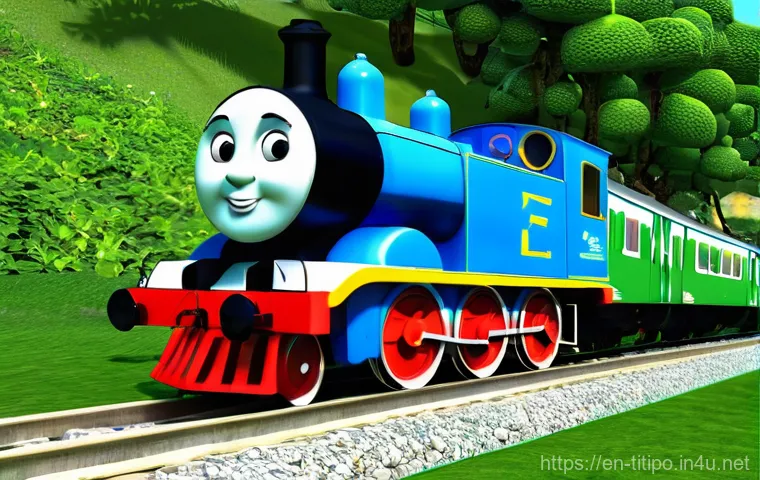
One of the most profound shifts I’ve personally observed in children’s media is how universally appealing content, regardless of its origin, truly blossoms when thoughtfully localized. It’s so much more than just translating dialogue; it’s about a deep dive into cultural nuances that make a show feel like it was made just for *your* kids, in *your* corner of the world. Take a show like Titipo Titipo; it originated in South Korea, yet it has become a staple in countless English-speaking homes from bustling New York City apartments to quaint suburban houses in England. What I’ve come to understand is that smart content creators don’t just dub; they adapt. They consider how a certain joke might land differently, or if a particular social interaction reflects the values cherished by a local audience. For instance, the subtle inflections in a voice actor’s tone, or even the slight adjustment of a visual cue, can make all the difference in connecting with a child. My own kids, for example, often pick up on these tiny details that make a character feel genuinely familiar, almost like a friend they’ve known forever. This meticulous approach ensures that the stories of friendship, problem-solving, and exploration inherent in Titipo’s world resonate deeply, transcending geographical and linguistic barriers to forge a truly global bond with its young viewers.
More Than Just Dubbing: Cultural Nuances That Resonate
When we talk about localization in children’s content, we’re really digging into the art of making something foreign feel utterly native. I’ve spent enough time watching these shows with my own little ones to see the magic happen. It’s not just about switching out Korean for English words; it’s about understanding the heart of a culture. For instance, how would a concept like respect for elders, which is incredibly important in many Asian cultures, be subtly woven into a narrative so that it’s understood and appreciated by a child in the UK or Canada without feeling preachy or alien? The best shows manage to bridge this gap beautifully. They might adapt the specific type of train Titipo is, or the way a character expresses sadness or joy, ensuring that the emotional arc is universally digestible while still feeling authentically localized. It’s about creating an experience where a child doesn’t even realize the show wasn’t originally from their country, because every sound, every phrase, every reaction feels perfectly natural to them. This level of detail builds an incredible sense of trust and familiarity, which, let’s be honest, is golden for parents looking for wholesome and relatable entertainment.
From Seoul to Your Sofa: The Universal Appeal of Relatable Characters
It’s truly fascinating how characters, despite their distinct cultural roots, can tap into universal childhood experiences. Titipo Titipo is a perfect case study. Here’s a little train and his railway friends navigating everyday challenges, learning about teamwork, overcoming fears, and celebrating successes. These are themes that every child, everywhere, can connect with. I remember vividly when my youngest was struggling with sharing his toys, and we watched an episode where Titipo had to learn the importance of sharing tracks with his friends. The immediate connection my child made was palpable; he saw himself in Titipo’s dilemma and understood the lesson more readily because it was presented through a character he adored. This kind of resonance is what makes a show a hit globally. It’s not about where Titipo comes from, but about the timeless values he embodies and the simple, relatable situations he finds himself in. Whether it’s learning to be patient, understanding different perspectives, or simply having fun with friends, these narratives hit home for children in London, Los Angeles, and everywhere in between, turning a Korean creation into a beloved part of the global children’s media landscape.
Beyond the Screen: Merchandising and Experiential Learning
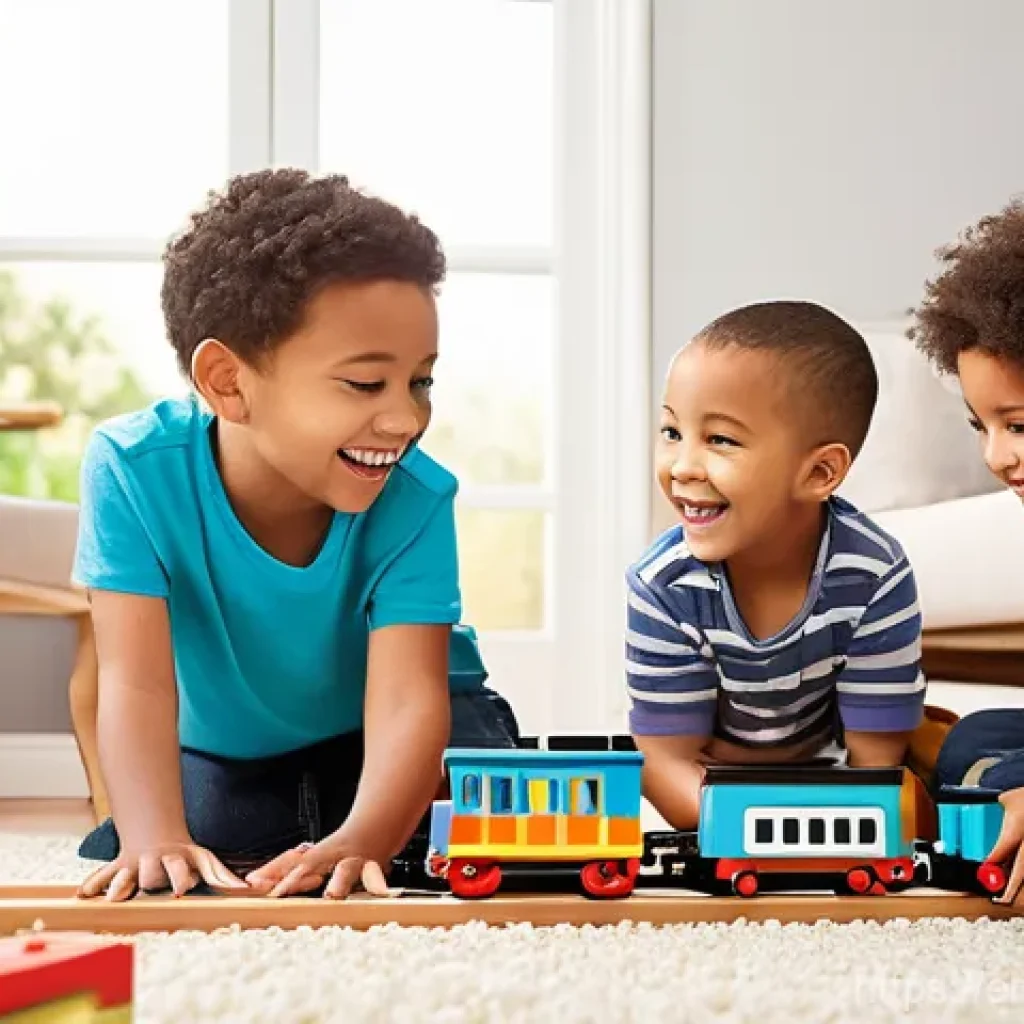
The journey of a beloved children’s character doesn’t end when the credits roll; in fact, for many, that’s just the beginning of a whole new adventure! I’ve noticed a huge trend where successful animated series extend their reach far beyond passive viewing, deeply integrating into a child’s play and learning environment. It’s not enough anymore for a show to just be on the screen; parents like me are looking for ways to bring those engaging stories and characters into the real world. This is where merchandising really shines, but it’s evolved past just basic toys. We’re seeing a significant push towards experiential learning – products that encourage imaginative play, problem-solving, and even physical activity. Think about Titipo Titipo for a moment: the moment those little train toys came out, my kids’ living room transformed into a bustling railway system! They weren’t just playing with a toy; they were recreating storylines, inventing new adventures for Titipo, and practicing social skills by sharing their railway tracks. This kind of interactive engagement solidifies the lessons learned from the show and truly brings the characters to life, making the connection much deeper and more meaningful than simply watching an episode. It creates a complete ecosystem of entertainment and education that parents genuinely appreciate.
From Playrooms to Theme Parks: Extending the Brand Experience
The expansion of children’s brands into physical products and experiences is truly remarkable to witness. I’ve seen firsthand how a character can leap off the screen and become a tangible part of a child’s world. This isn’t just about selling merchandise; it’s about extending the narrative and offering new ways for children to interact with their favorite characters. Imagine the joy of a child not just watching Titipo, but actually playing with a Titipo train set, building tracks, and creating their own stories. Some brands even go a step further, with character meet-and-greets at local events, or even dedicated zones in theme parks, transforming a TV show into an immersive adventure. These real-world touchpoints reinforce the positive messages of the show and provide invaluable opportunities for imaginative play, which is so crucial for early childhood development. It makes the connection feel more personal and lasting, moving beyond the fleeting screen time into cherished memories and tangible learning experiences. As a parent, I absolutely love seeing my kids engage in this multi-faceted way.
Educational Play: Where Learning Meets Fun Beyond the Episode
The smartest children’s content creators understand that true engagement happens when learning feels like play, and this extends wonderfully into the world of merchandising. It’s not about passive toys; it’s about products that actively encourage educational outcomes. For example, building blocks themed around Titipo’s train station can enhance fine motor skills and spatial reasoning. Storybooks featuring Titipo can foster early literacy and a love for reading. Even simple puzzles can help with problem-solving. What I find so brilliant about this approach is how seamlessly it integrates learning into a child’s natural inclination to play. When my kids are engrossed in building a new track for Titipo, they’re not thinking, “Oh, I’m learning about engineering principles today.” They’re just having fun. But as a parent, I know they’re developing critical skills. This fusion of entertainment and education across various platforms – from screen to toy box – is a powerful strategy that enriches a child’s developmental journey and keeps them captivated by the brand for longer, offering real value that goes far beyond a single episode.
Navigating the Digital Playground: Streaming Wars and Content Discovery
Let’s be real, the landscape of children’s content consumption has absolutely exploded over the last decade, and for us parents, it’s a double-edged sword! On one hand, we’ve got an unimaginable wealth of educational and entertaining shows at our fingertips. On the other, actually *finding* the good stuff amidst the sheer volume can feel like an Olympic sport. I’ve personally spent countless hours scrolling through streaming services, trying to figure out what’s new, what’s safe, and what will genuinely engage my children. This “streaming war” among platforms like Netflix, Disney+, YouTube Kids, and even newer contenders means content creators are constantly vying for our attention, and more importantly, our children’s screen time. Shows like Titipo Titipo have managed to cut through the noise by being available on multiple platforms, often with dedicated channels or sections that make them easier to discover. This multi-platform presence is no accident; it’s a strategic move to ensure maximum accessibility for families across different regions and preferences. I’ve noticed that when a show is easily accessible, it significantly increases its watch time and, consequently, its popularity. It’s all about making life simpler for busy parents while still offering top-notch, reliable content that we can trust our kids to watch. It truly feels like a win-win when a show we love is available wherever we prefer to stream.
The Algorithm’s Role: How Kids Find Their Next Favorite Show
Behind every “Up Next” suggestion and trending video for kids lies a complex web of algorithms, and understanding their role in content discovery is crucial for both creators and parents. I’ve seen how these algorithms can either introduce my children to fantastic new shows or, sometimes, lead them down rabbit holes of less-than-stellar content. For popular series like Titipo Titipo, a strong algorithmic presence is key to maintaining viewership. This means not only high watch times and engagement but also consistent uploads and well-optimized titles and descriptions. As a parent, I appreciate when platforms offer curated lists or parental controls that help filter content, because while algorithms are powerful, a human touch is still invaluable for quality assurance. Content creators are constantly refining their SEO strategies for YouTube and other platforms, ensuring their shows are discoverable through relevant keywords and suggested videos. It’s a game of clicks and views, but ultimately, the goal is to make sure children easily find content that is both entertaining and enriching, without us parents having to become digital detectives every single evening.
Platform Hopping: Why Multi-Platform Strategies are Key
In today’s fragmented digital landscape, a successful children’s show simply cannot afford to put all its eggs in one streaming basket. I’ve observed that the most resilient and widely adopted series, like Titipo, are those that embrace a robust multi-platform strategy. You can find episodes on YouTube Kids for quick, casual viewing, often available for free. Then, for a more curated, ad-free experience, they might be on subscription services like Netflix or Amazon Prime Video. This approach is genius because it caters to diverse viewing habits and financial situations. Some parents might rely solely on free platforms, while others prefer the convenience and safety of a paid subscription. For me, knowing that Titipo is available on both platforms gives me options, whether we’re at home on the smart TV or on the go with a tablet. This ubiquity ensures that the brand remains top-of-mind and accessible, minimizing friction for busy families. It’s a clear indication that content creators are listening to how modern families consume media and are adapting their distribution models accordingly, which in turn boosts overall viewership and brand loyalty in a hugely competitive market.
Educational Entertainment Evolved: Blending Learning with Laughter
The days of overtly didactic children’s programming are, thankfully, largely behind us. What I’ve seen blossom in its place is a brilliant evolution towards truly engaging educational entertainment that seamlessly blends learning with genuine laughter and compelling narratives. It’s no longer about force-feeding facts; it’s about inspiring curiosity and embedding valuable lessons within stories that children actually *want* to watch. Shows like Titipo Titipo are fantastic examples of this trend. They don’t just tell kids to share; they show Titipo and his friends navigating a situation where sharing is necessary, letting the children see the consequences and the positive outcomes for themselves. This kind of experiential learning through narrative is incredibly powerful. As a parent, I’m always on the lookout for shows that manage this delicate balance – entertaining my kids so thoroughly that they don’t even realize they’re picking up new vocabulary, understanding social cues, or even grasping basic concepts of problem-solving. This approach not only makes screen time more valuable but also helps lay a foundation for lifelong learning by associating education with positive, enjoyable experiences. It’s a testament to how far children’s media has come in understanding child psychology and developmental needs.
The Subtlety of Storytelling: Lessons Beyond the Obvious
What truly sets apart the current wave of educational children’s content is its incredible subtlety. It’s not about direct instruction but about weaving essential life lessons into the fabric of a compelling story. I’ve often noticed my kids absorbing concepts from shows like Titipo Titipo that I hadn’t even consciously pointed out. They learn about resilience when Titipo faces a challenge, empathy when a friend is sad, or the importance of teamwork when the trains have to work together to solve a problem. These aren’t just one-off lessons; they are recurring themes that build over time, reinforcing positive behaviors and social-emotional skills. The brilliance lies in the fact that these lessons are organically integrated into fun, engaging adventures, making them far more memorable and impactful than a simple verbal instruction. It feels less like a classroom and more like a shared experience, where characters become role models and their journeys offer relatable blueprints for navigating the complexities of their own little worlds. This narrative-driven learning is a cornerstone of effective children’s media today, and I absolutely champion it.
Curriculum-Aligned Fun: Meeting Developmental Milestones Through Play
The best children’s content today isn’t just “good for kids”; it’s often designed with specific developmental milestones and early learning curricula in mind, though you’d never know it by how much fun the kids are having! I’ve been amazed at how creators collaborate with early childhood educators and developmental psychologists to ensure their content is not only entertaining but also intentionally supportive of a child’s growth. For instance, shows might incorporate specific vocabulary to boost language development, or repetitive structures to aid memory. Titipo Titipo, while seemingly a simple show about trains, often subtly integrates concepts like spatial awareness, cause and effect, and even emotional regulation through its various storylines. These are the kinds of hidden gems that parents really appreciate. It means that while my children are captivated by the vibrant animation and engaging characters, they are also, often subconsciously, reinforcing skills that are crucial for their age group. This blend of pure entertainment with strategically embedded educational elements makes screen time a genuinely productive and enriching experience, aligning perfectly with what we as parents hope for our children’s development.
Parental Trust and Community Building: The Heart of Kid-Friendly Brands
In a world overflowing with digital content, what really makes a children’s brand stand out and truly thrive is the trust it builds with parents. I can tell you from personal experience, if I don’t trust a brand, it doesn’t get five minutes of screen time in my house. This trust isn’t just about safety, though that’s paramount; it’s about consistent quality, positive messaging, and a genuine understanding of what families need. Shows like Titipo Titipo have managed to cultivate this by consistently delivering wholesome, engaging, and subtly educational content. But it goes beyond the show itself; it’s about building a community around the brand. I’ve seen online forums and social media groups where parents discuss episodes, share parenting tips inspired by the show’s themes, or even swap ideas for Titipo-themed parties. This active engagement from parents creates a powerful, self-reinforcing loop: the brand earns trust, which leads to word-of-mouth recommendations, which in turn expands its reach. This community aspect is incredibly valuable because it transforms a show from mere entertainment into a shared experience, a topic of conversation, and even a source of connection among parents. It truly feels like being part of a larger family that cares about providing the best for our children.
Safety First: Curated Content for Peace of Mind
When it comes to children’s media, safety is, without a doubt, the number one priority for any parent. I know for myself, before I let my kids watch anything new, I’m doing a quick mental checklist: Is it age-appropriate? Are there any hidden ads or inappropriate content? Does it promote positive values? The most successful children’s brands, like Titipo Titipo, inherently understand this deep-seated parental concern and go to great lengths to provide a safe viewing environment. They often partner with reputable platforms that offer robust parental controls and ad-free options, or they meticulously curate their YouTube channels to ensure only suitable content is presented. This commitment to safety isn’t just good practice; it’s a cornerstone of building enduring parental trust. When I know a show or a channel is consistently safe and reliable, it offers immense peace of mind, allowing my children to explore and enjoy without constant supervision. This sense of security is invaluable and is, in my opinion, one of the primary drivers behind a brand’s long-term success in the competitive kids’ content market. It allows parents to truly relax and let their kids enjoy, knowing they’re in good hands.
Building Bridges: Engaging Parents Through Community and Resources
Beyond simply creating content, the most effective children’s brands are actively building bridges with parents, fostering a sense of community and providing valuable resources. I’ve noticed how many brands are now extending their reach through social media, dedicated websites, and even newsletters, offering more than just show updates. They might provide printable activity sheets, craft ideas inspired by characters, or even parenting articles that tie into themes explored in the show. This approach transforms the brand into a holistic resource for families, not just a source of passive entertainment. For example, a brand featuring a train like Titipo might offer downloadable coloring pages of different vehicles, or a simple guide to railway safety for kids. This engagement not only strengthens the brand’s bond with its audience but also empowers parents with tools to extend the learning and fun beyond screen time. It’s a smart strategy that demonstrates a genuine understanding of family life, showing that the creators care about a child’s overall development, not just their viewership numbers. This holistic approach is incredibly effective for cultivating a loyal and engaged parent base.
The Tech Behind the Magic: Animation Innovation and Interactive Content
It’s absolutely mind-boggling to think about how far animation technology has come, even in just the last few years! What used to take massive teams and endless hours in studios can now be achieved with incredible efficiency, leading to a golden age of visually stunning and diverse children’s content. I’ve been particularly captivated by how innovations in animation are creating richer, more immersive worlds for kids. We’re seeing a fantastic blend of traditional 2D charm with cutting-edge 3D techniques, resulting in characters and environments that practically leap off the screen. This isn’t just about making things look prettier; it’s about enhancing the storytelling, allowing for more dynamic movement, nuanced facial expressions, and complex environmental interactions. Think about how the trains in Titipo Titipo move and interact with their world; the level of detail and fluidity wasn’t always possible. Beyond visuals, we’re also on the cusp of a major wave of interactive content, where kids aren’t just passive viewers but active participants in the narrative. This fusion of artistic vision with technological prowess is fundamentally changing how our children experience and engage with their favorite shows, pushing the boundaries of what’s possible in educational entertainment and making every viewing experience feel a little more magical.
Blending Realism and Fantasy: The Evolution of Animation Styles
The visual style of children’s animation has undergone a remarkable evolution, perfectly balancing the whimsical nature of fantasy with touches of realism that ground the stories. I’ve noticed a clear trend away from overly simplistic designs towards more sophisticated aesthetics that still maintain their kid-friendly appeal. This often involves a brilliant fusion of 2D and 3D animation, giving characters like Titipo and his friends a vibrant, tactile presence while allowing for expressive movements and detailed environments. It’s a technique that adds depth and a certain richness to the visuals, making the world feel more alive and engaging for young viewers. For example, the way the light reflects off Titipo’s shiny exterior, or the subtle textures in the landscape, these details contribute significantly to the overall immersive experience. As a parent, I appreciate animation that is not only colorful and fun but also visually stimulating, as it can truly capture a child’s imagination and keep them engrossed in the narrative. This continuous innovation in animation techniques is a huge part of what makes today’s children’s content so incredibly captivating.
Beyond Linear Storytelling: The Rise of Interactive Content
We’re entering an exciting new era where children aren’t just watching stories unfold; they’re actively participating in them! I’ve been fascinated by the slow but steady rise of interactive content, where kids can make choices that influence the narrative, play mini-games integrated into the storyline, or even customize elements of their favorite shows. While Titipo Titipo currently adheres to a more traditional linear format, the broader trend is moving towards experiences that empower young viewers to become active co-creators. Imagine an episode where children choose which route Titipo takes, or help him decide how to solve a problem – the engagement levels would go through the roof! This shift leverages technology to enhance critical thinking skills, decision-making abilities, and a sense of agency, transforming screen time from a passive activity into a truly interactive learning experience. It’s a game-changer for educational content, as it allows for personalized learning paths and deeper immersion, promising a future where children’s media is even more engaging and developmentally beneficial. This is definitely a space I’m keeping a close eye on as a parent and a content enthusiast.
Monetization Magic: Understanding the Business of Kids’ Media
It’s easy to get caught up in the bright colors and fun stories of children’s animation, but behind every beloved show is a complex and fascinating business model that keeps the magic alive. I’ve spent enough time researching this space to know that for a show to truly flourish and continue producing new, high-quality content, it needs a savvy approach to monetization. This isn’t just about selling toys, though that’s a huge part of it! It encompasses everything from licensing deals and global distribution rights to advertising revenue on free platforms and subscription fees on premium services. For a brand like Titipo Titipo to achieve its widespread success, its creators must have a sophisticated strategy to generate income across various channels. This financial backing is what allows for continued investment in top-tier animation, engaging voice acting, and compelling storytelling. Without a solid monetization structure, even the most brilliant children’s concepts would struggle to survive and reach a global audience. Understanding this business side gives me, as a content explorer, a deeper appreciation for the effort that goes into making these shows a consistent part of our children’s lives.
The Ecosystem of Revenue: From Ads to Subscriptions
The financial ecosystem supporting children’s content is incredibly diverse, and I’ve seen firsthand how brands expertly navigate this landscape to ensure longevity. On one end, we have the ad-supported models, most notably seen on platforms like YouTube Kids. Here, revenue is generated through targeted advertising, which relies heavily on high viewership and consistent engagement to drive ad impressions and clicks. For a show like Titipo Titipo, a massive global viewership on YouTube translates directly into significant ad revenue, allowing for free access for millions of families. On the other end are the subscription-based services like Netflix or Disney+, where parents pay a monthly fee for ad-free, curated content. This model offers a predictable revenue stream and allows for higher production values. Many successful brands, including Titipo Titipo, skillfully employ a hybrid approach, offering free content with ads to attract a broad audience, while also licensing their content to subscription services for a premium, ad-free experience. This dual strategy maximizes reach and revenue, ensuring the brand can continue to invest in creating new, captivating stories for our little ones.
| Trend Aspect | Impact on Kids’ Content | Example (Titipo Titipo) |
|---|---|---|
| Global Localization | Broadens audience reach and cultural relevance, fostering diverse viewership. | Translated dialogue, culturally appropriate expressions, and relatable situations resonate with English-speaking kids. |
| Educational Integration | Enhances cognitive development and social-emotional learning through engaging narratives. | Stories often revolve around problem-solving, teamwork, and understanding emotions, presented in an accessible way for preschoolers. |
| Multi-Platform Presence | Increases accessibility and parent convenience across various devices and streaming services. | Available on YouTube, Netflix, and other major platforms, ensuring easy access for families worldwide. |
| Merchandise & Play | Extends brand engagement beyond the screen, encouraging imaginative play and real-world interaction. | Toy trains, play sets, and apparel allow children to recreate stories and invent new adventures. |
Licensing and Merchandising: The Power of Physical Products
Beyond the screens, the true financial backbone for many children’s brands often lies in the robust world of licensing and merchandising. I’ve personally seen how much my kids love to extend their playtime with physical representations of their favorite characters, and that’s exactly what this sector capitalizes on. Think about it: a Titipo Titipo train set isn’t just a toy; it’s a tangible piece of the show’s universe that allows children to continue their imaginative play long after the episode has ended. This revenue stream, which includes everything from toys and apparel to books and party supplies, is incredibly lucrative and provides a stable foundation for the brand. Licensing agreements allow other companies to produce these products, paying royalties back to the content creators. This not only diversifies the brand’s income but also strengthens its overall presence in a child’s life, moving it from a two-dimensional screen presence to a three-dimensional playmate. It’s a brilliant strategy that transforms passive viewership into active, hands-on engagement, while simultaneously generating substantial income that fuels the creation of even more beloved content. As a parent, I find it’s a win-win because my kids get to interact with characters they love in new ways, and the shows we cherish continue to thrive.
Wrapping Things Up
Well, what a journey we’ve had exploring the vibrant, ever-evolving world of children’s content, especially through the lens of incredible shows like Titipo Titipo! I truly hope this deep dive into localization, educational entertainment, the power of parental trust, technological advancements, and the smart business behind it all has been as insightful for you as it has been for me. As a parent, I’ve personally experienced the magic of content that truly connects with my kids, and as a blogger, I’ve seen the immense effort and thought that goes into crafting these experiences. It’s more than just cartoons; it’s about nurturing young minds, building global communities, and creating lasting memories. The landscape is dynamic, always shifting, but one thing remains constant: the desire for safe, enriching, and joy-filled entertainment for our little learners. Thank you for joining me on this exploration, and here’s to many more fantastic discoveries in the world of kids’ media!
Handy Tips for Navigating Kids’ Content
1. Prioritize localized content that genuinely reflects your child’s cultural environment. It helps build stronger connections and understanding for them, making shows feel truly made for your family.
2. Look beyond mere entertainment for shows that subtly integrate educational themes. The best ones teach valuable lessons about social-emotional development, problem-solving, and language without feeling overtly didactic.
3. Embrace the multi-platform approach. Utilize both free, ad-supported options like YouTube Kids for casual viewing and premium subscription services like Netflix or Disney+ for curated, ad-free experiences, depending on your family’s needs.
4. Don’t underestimate the power of merchandising! Physical products like toys, books, and games can extend the learning and imaginative play far beyond screen time, deepening your child’s engagement with their favorite characters.
5. Engage with parent communities around beloved brands. Sharing experiences, tips, and insights with other parents can be incredibly valuable, fostering a sense of connection and helping you discover new, trusted content.
Key Takeaways
What I truly want you to walk away with from our chat today is the immense value in thoughtfully produced children’s content. It’s a powerful blend of art and science, meticulously crafted to entertain, educate, and connect with young audiences worldwide. The success of shows like Titipo Titipo isn’t just good luck; it’s a testament to deep cultural understanding through localization, commitment to valuable life lessons, strategic multi-platform distribution, and the creation of beloved brands that extend into tangible play. For parents, this means seeking out content that builds trust through consistency and quality. For creators, it highlights the importance of an integrated strategy that champions creative integrity, audience engagement, and sustainable monetization. Ultimately, the heart of it all is providing enriching experiences that help our children grow, learn, and dream, all while enjoying every delightful moment.
Frequently Asked Questions (FAQ) 📖
Q: Hey there, as a fellow parent navigating the endless choices, I’m genuinely curious: what makes shows like Titipo Titipo from South Korea capture the hearts of kids globally? What’s their secret sauce?
A: Oh, I totally get it! Finding that “secret sauce” is something I’ve spent a lot of time looking into, and honestly, shows like Titipo Titipo are truly a masterclass in global appeal.
From what I’ve seen, it really boils down to a few key ingredients. First off, they’ve absolutely perfected the art of engaging storytelling that transcends language barriers.
Think about it – little trains going on adventures, learning about friendship, or solving everyday problems, those are universal themes that resonate with kids everywhere, whether they’re in London or Seoul.
It’s not about complex plots, but rather relatable situations and positive messages, often presented with vibrant, appealing animation that just pops off the screen.
Secondly, I’ve noticed a real focus on high production values. Even for what might seem like simple concepts, the animation is polished, the character designs are endearing, and the overall quality is just fantastic.
This meticulous attention to detail makes the shows a joy to watch for kids and, let’s be honest, for us parents too! Plus, there’s often a strong educational or prosocial component woven in, teaching valuable lessons about teamwork, kindness, and problem-solving without ever feeling preachy.
It’s a winning combination that helps these shows not just entertain, but genuinely enrich a child’s development, which is something every parent is looking for.
Q: The digital landscape is always buzzing with new tech. What are the freshest trends in children’s educational animation right now that are truly making an impact on how kids learn and engage?
A: You’ve hit on a fascinating point – it feels like every other day there’s a new innovation! From my perspective, keeping an eye on these trends is crucial for ensuring our kids are getting the best.
One of the biggest shifts I’m personally excited about is the blend of innovative storytelling with cutting-edge technology, particularly the rise of mixed 2D and 3D animation.
This hybrid approach gives creators the flexibility to combine the warmth and simplicity of traditional 2D with the depth and immersive feel of 3D, making the visuals incredibly engaging and helping complex concepts truly stand out.
Beyond that, AI is quietly revolutionizing personalized learning experiences. Imagine animation that adapts to your child’s individual needs and learning style – it’s becoming a reality!
This means content can be tailored to help a child grasp a specific concept at their own pace, making learning more effective and, frankly, more fun. We’re also seeing a huge push towards interactive elements and gamification.
It’s not just about watching anymore; it’s about participating, solving quizzes, or exploring virtual worlds, which really boosts engagement and helps with information retention.
It truly creates a dynamic learning environment where kids are active participants, not just passive viewers.
Q: With so many streaming options, it’s tough to pick the “right” content.
A: s a parent, how can I confidently choose truly enriching and impactful media for my children, moving beyond just what’s catchy? A3: Oh, this is the million-dollar question, isn’t it?
It’s something I grapple with constantly, and honestly, it can feel like a full-time job! What I’ve learned through my own experience and a lot of digging is that it’s absolutely possible to navigate this overwhelming sea of content.
First and foremost, you’ve got to prioritize quality over quantity. Don’t just pick something because it has thousands of episodes; look for programs from reputable educational platforms or institutions.
Think PBS Kids or National Geographic Kids – they often have content designed with educational experts. Secondly, age-appropriateness is non-negotiable.
Content that’s too easy will bore them, and too hard will frustrate them. The best shows are just challenging enough to keep them engaged without being overwhelming.
I also always check for prosocial messages and positive behaviors. Does the show encourage kindness, sharing, empathy, and respect? Research actually shows that children are more likely to mimic positive behaviors they see on screen.
Lastly, and this is a big one for me, try to watch with your child whenever you can. It’s not always feasible, I know, but those moments of shared viewing allow you to discuss what they’re seeing, answer questions, and reinforce positive lessons.
It turns screen time into a genuine bonding and learning opportunity.